
Getting a Worcester Roof Claim to Reflect the Real Damage
A commercial roof insurance claim moves on the strength of the record behind it , what got photographed, measured, and written down before anyone started repairs. We build that record, walk the roof with the adjuster, and put the full repair scope on paper. We're your roofing contractor, not a public adjuster , we document and substantiate the roof damage so you and your adjuster work from an accurate scope.
What a Claim Needs Before It Ever Reaches an Adjuster
Most claims lose ground in the first 48 hours, not at the adjuster meeting. If damage gets tarped and cleaned up before it's photographed, or if a facilities team only calls once a leak shows up inside, the record starts thin. We photograph every damaged area before repair work begins, measure the affected square footage, take moisture readings where water intrusion is suspected, and write a plain description of what we saw and where. That packet becomes the backbone of the claim regardless of which insurer is on the other end.
Worcester's Building Stock Complicates a Lot of Claims
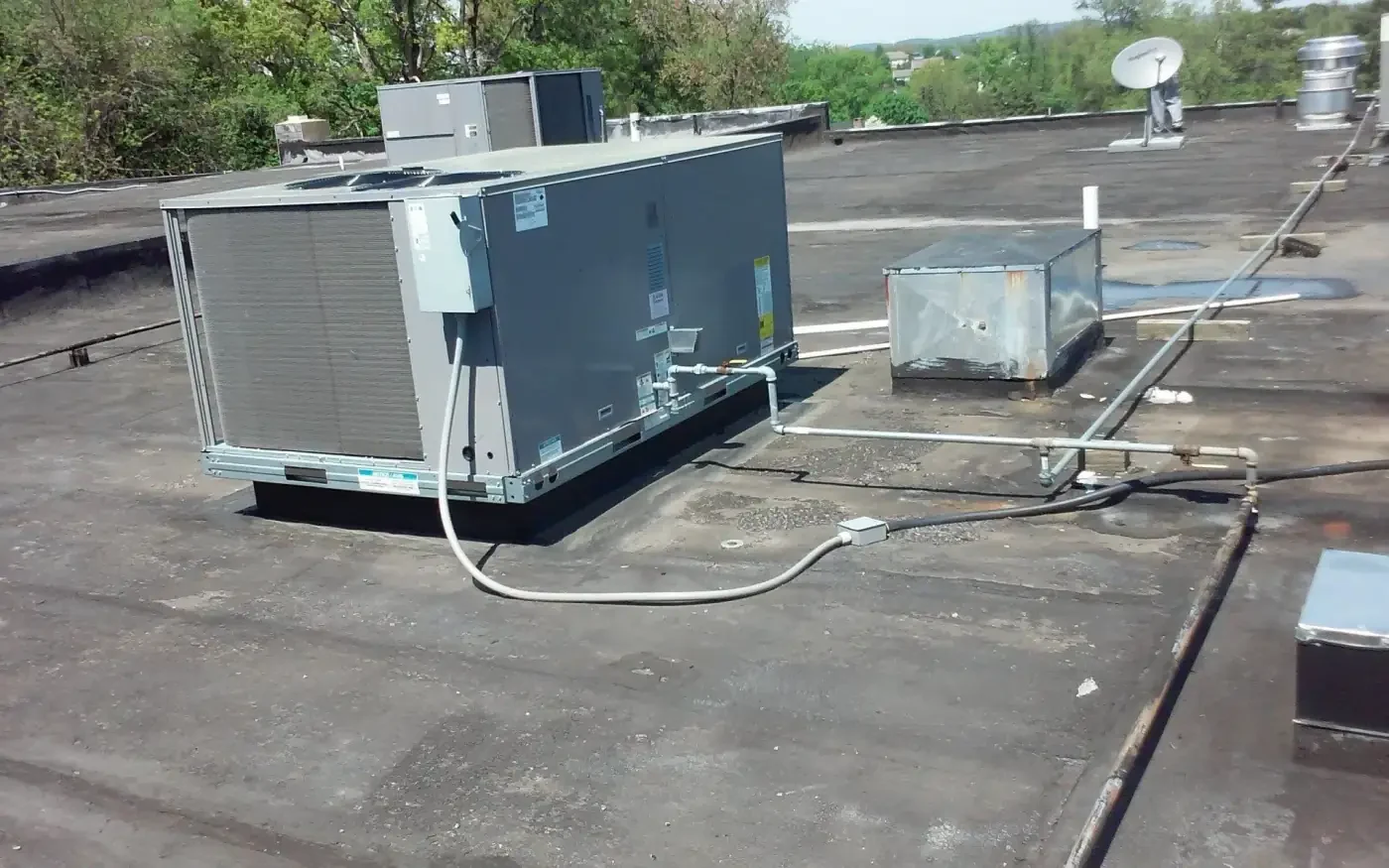
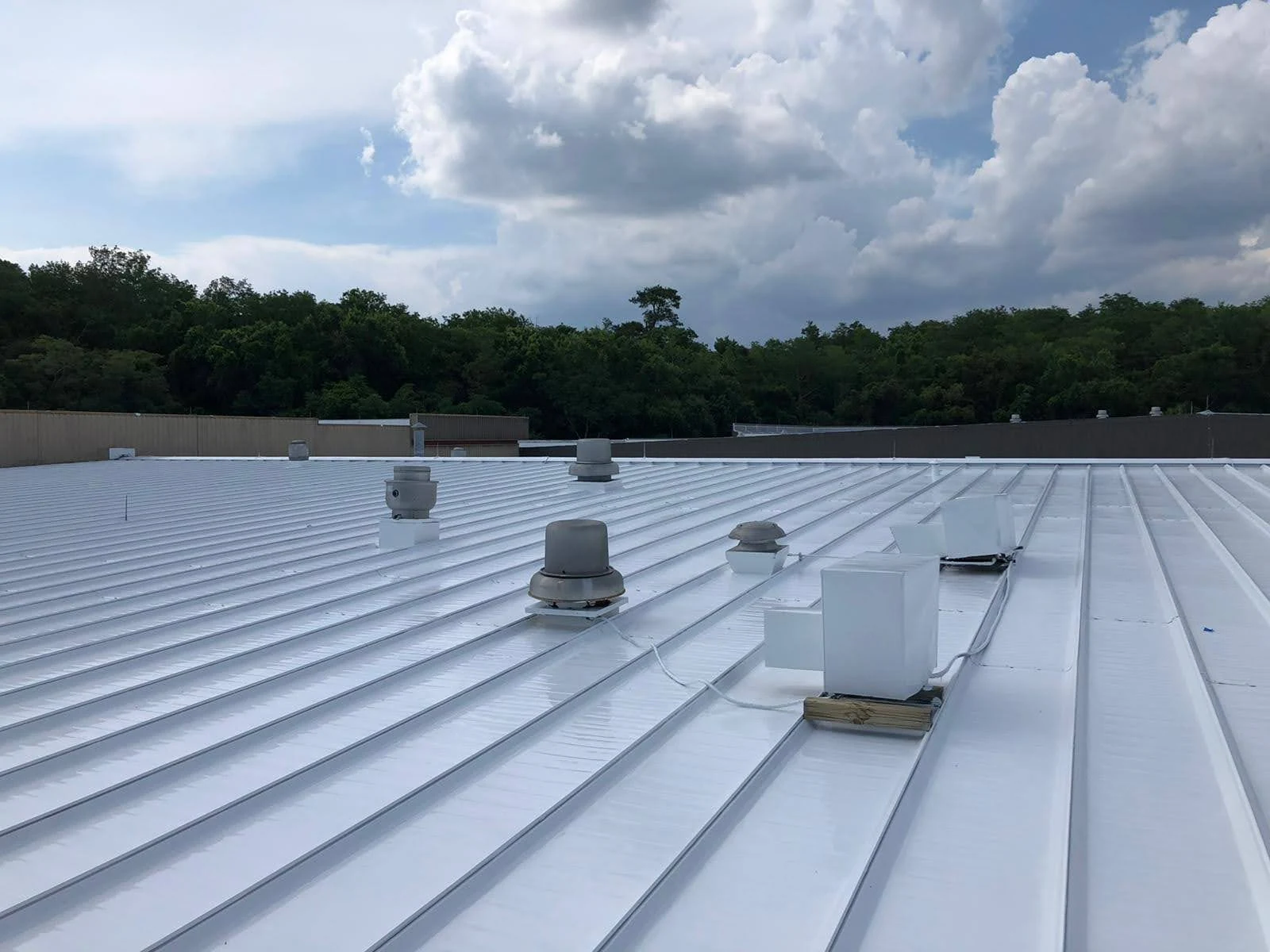
A claim on a converted mill building near the Canal District isn't the same claim as one on a newer lab building near UMass Chan. Mill conversions often carry a membrane system laid over a much older timber deck, and a leak that looks minor on the surface can mean hidden deck moisture that changes the whole repair scope once we get under the membrane. Buildings tied to the biotech and medical growth around UMass Chan tend to carry more rooftop equipment , exhaust units, condenser pads, negative-pressure penetrations , and a storm claim there usually has to account for equipment curbs and flashing detail in addition to field membrane. Smaller commercial buildings sitting close to Worcester's three-decker residential blocks add another wrinkle: a claim large enough to require staging or crane access has to be documented with the tight lot lines and neighboring properties in mind.
Meeting the Adjuster on the Roof
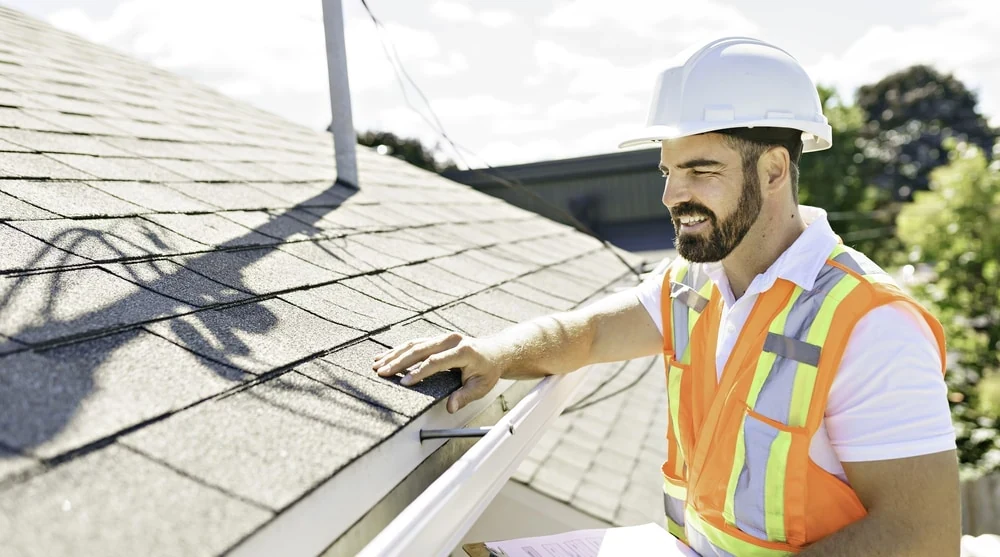
When an owner wants us there, we walk the roof alongside the adjuster and explain what we're looking at in roofing terms , how a specific membrane system typically fails under wind load, why a flashing detail is original construction rather than a prior patch, what a moisture reading at a given spot actually indicates. We're there to answer roofing questions the adjuster raises, not to argue the claim amount on the owner's behalf. That distinction matters, because our value on the roof is technical accuracy, and blurring it into advocacy is what turns a credible inspection into a disputed one.
Framing the Complete Scope Beyond the Visible Leak
An insurance estimate built only from the interior leak point usually misses the real extent of a roof claim. We itemize the full damage footprint , membrane, insulation, deck where applicable , plus anywhere current building code requires an upgrade beyond a like-for-like patch, such as added insulation R-value or updated edge and drainage details. We also flag matching issues: a partial membrane replacement on an older single-ply roof often can't be tied cleanly into weathered material nearby, and that's a line item worth documenting up front rather than discovering mid-repair. None of this is us predicting what the carrier will pay , it's making sure the scope on paper reflects the roof, beyond the ceiling stain that prompted the call.
When a Claim Comes Back Denied or Underpaid
If an initial estimate comes back short of what the roof actually needs, we can do a follow-up inspection focused on whatever the carrier's estimate left out , often a section of damage that wasn't visible on the first pass, or a code-upgrade cost that got missed. We'll put that in writing as a supplemental scope for the owner to bring back to their adjuster or carrier. We don't dispute the claim on the owner's behalf or represent them in an appraisal process; that's a conversation between the owner, their insurer, and a public adjuster or attorney if it goes that far. Our part is making sure the roofing facts in front of everyone are complete and accurate.
Commercial Roof Insurance Claim Questions We Get
Does insurance cover roof replacement or just repair?
That depends on the policy and the extent of the damage , a carrier typically approves what the documented damage supports, whether that's a section repair or a full replacement. We provide the damage extent; the coverage decision is the carrier's.
What's the difference between what you do and a public adjuster?
A public adjuster represents the owner in negotiating the claim with the insurer. We're the roofing contractor , we inspect, document, and produce a scope of loss. We don't negotiate settlement figures or file the claim itself.
How soon after damage should the roof be documented?
As close to the event as possible, ideally within a day or two, before weather or a temporary repair changes what's visible on the roof.
What happens if the insurer's estimate is lower than what the roof actually needs?
We can do a supplemental inspection and put any missed damage or code-upgrade items in writing for the owner to bring back to their adjuster.
If only part of the roof is damaged, does the whole roof get replaced?
Not necessarily. We document the actual damage footprint and note separately anywhere a partial repair can't be matched into the surrounding material, so that decision is made on the real condition of the roof.
Do you handle the claim paperwork or file it with the insurer?
No , the owner or their agent files the claim. We supply the inspection report, photos, measurements, and scope of loss that supports it.