

Storm Damage Repair Patterns After Worcester Nor'easters
A single nor'easter can put wind uplift damage, ice-related drainage failure, and debris punctures on the same roof in one event. Repair scope depends on reading which of those actually happened, rather than patching whatever's visible from the parking lot.
Wind Uplift Damage: Where It Starts on a Low-Slope Roof
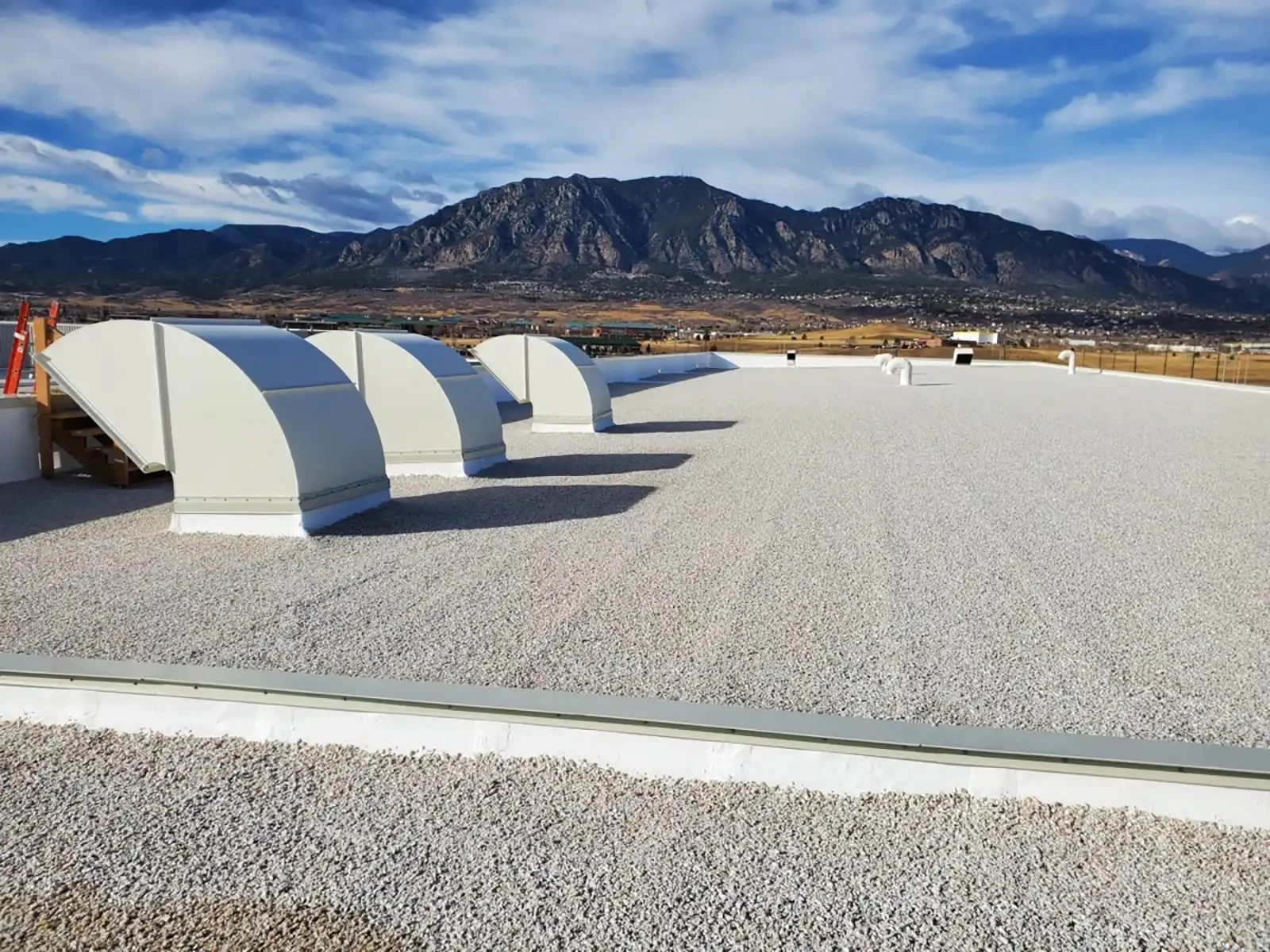
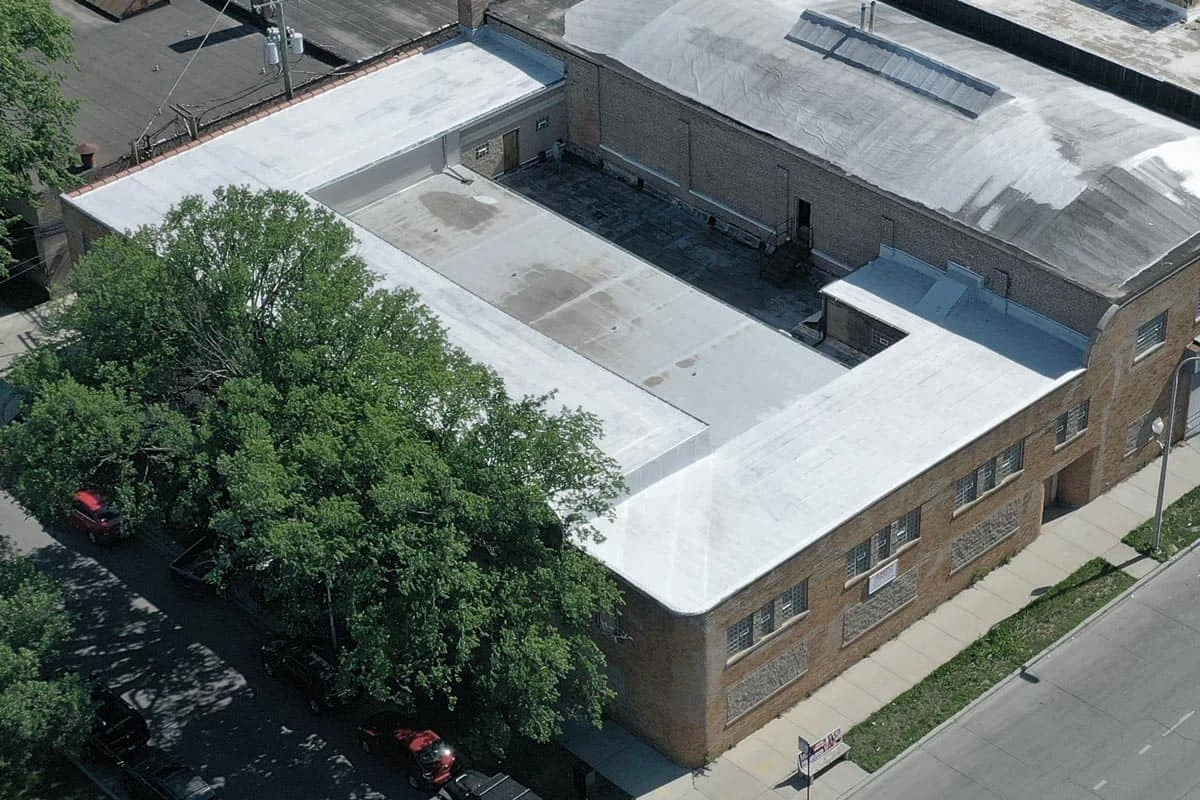
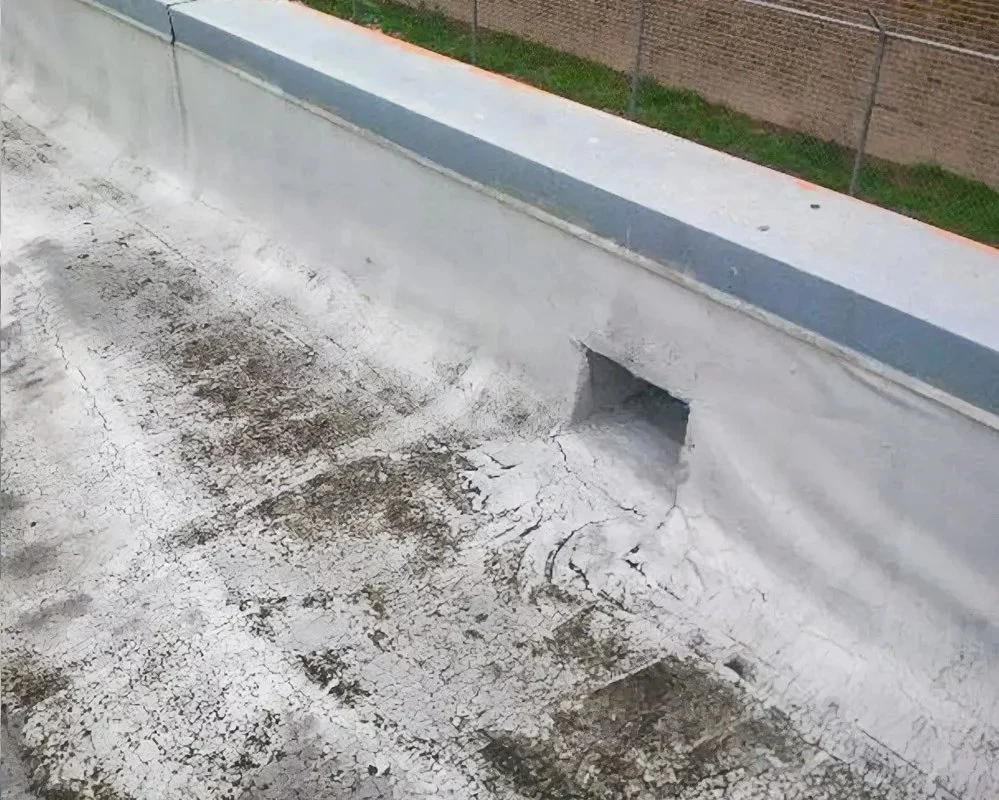
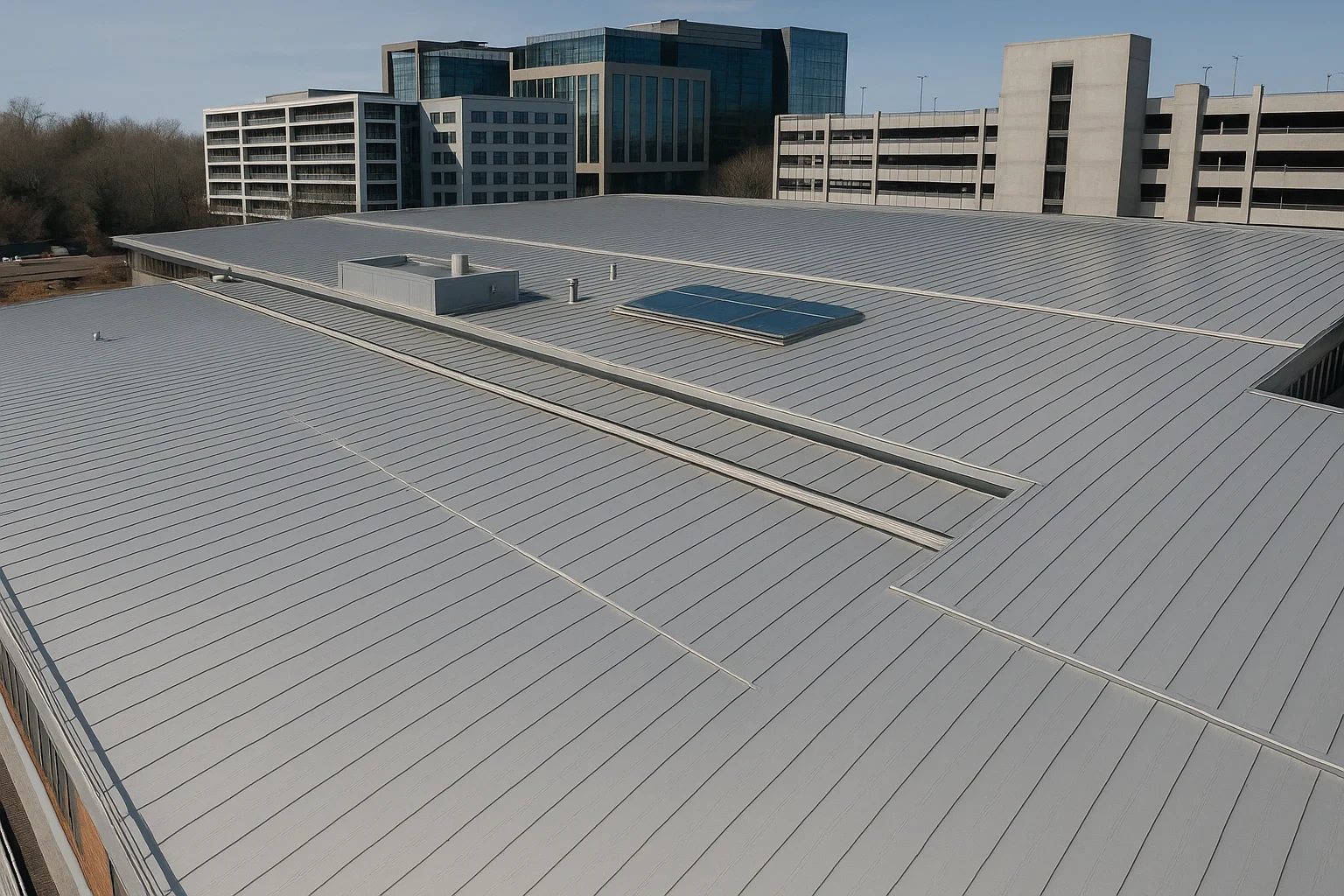
Uplift almost always starts at corners and edges before it moves into the field of the roof , wind pressure concentrates hardest at parapet corners and along roof edges, which is where membrane first lifts, fasteners first back out, or edge metal first peels. A roof that looks fine from the middle can have a corner that's one more storm away from a full field failure. We check corners and edges first on any post-storm assessment, because that's where the next failure is most likely to originate if this one isn't addressed.
We photograph and log uplift starting points after every event, even minor ones, because a corner that lifts slightly in one storm and gets re-secured without addressing the underlying fastening pattern often shows the same weak point again in the next one.
Ice Damming as a Storm Damage Category, Not a Maintenance Issue
Routine ice damming builds slowly over a cold snap. Storm-driven ice damming is different , a nor'easter that dumps heavy wet snow with high wind creates drifting several times deeper at parapets and low points than the average snowfall across the field of the roof, and that concentrated weight and meltwater can force water under a seam that would have held through ordinary conditions. When a storm produces that kind of drifting, the repair scope has to account for wherever the drift piled up, rather than only wherever the leak showed up inside.
Drift depth at a given building depends heavily on which direction the parapet faces relative to prevailing storm wind, so two buildings a block apart can see very different ice accumulation from the same nor'easter. We note wind direction in our post-storm assessment for exactly this reason, since it explains why one roof section floods and an identical section elsewhere on the same roof stays dry.
Tree Limb and Debris Impact Punctures
Central Massachusetts carries enough tree cover near commercial properties , office parks, campus buildings, buildings backing up to wooded buffer land , that limb strikes during high-wind events are a regular category of storm damage here, more so than in a denser urban market. A limb puncture usually means a full membrane cut, sometimes into the insulation board below, and we check the deck at the impact point before patching, since a hard enough strike can crack a wood deck or dent a steel deck flute.
On properties bordering wooded buffer land, we'll flag overhanging limbs during a routine inspection well before a storm turns them into an emergency repair, since a property owner trimming back growth ahead of winter is cheaper than a puncture repair after the fact.
- Corner and edge uplift or fastener back-out
- Drift accumulation points at parapets and roof low spots
- Debris impact locations and puncture depth
- Drain and scupper function under storm load
- Flashing and coping displacement
- Interior ceiling and wall staining tied to the event
Repair Scope: Patch Versus Section Replacement
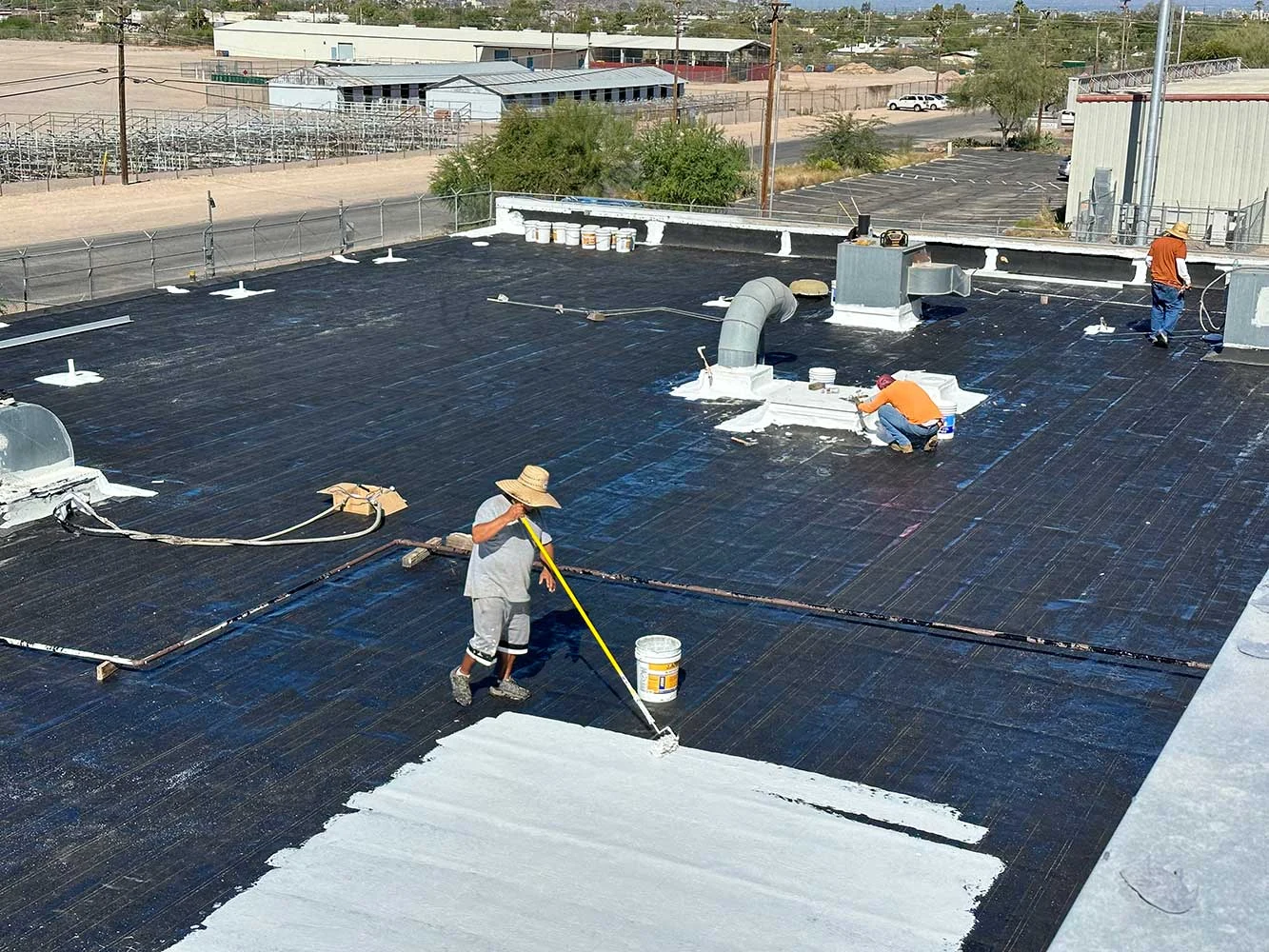
A localized puncture or a single lifted seam is a patch , targeted membrane repair, re-fastening, resealing. Wind uplift that's peeled membrane across a wider field, or ice damming that's compromised a whole drainage run, usually needs section replacement instead, because patching a stretched or torn membrane field doesn't restore its wind-uplift rating the way a full section replacement does. We size the repair to the actual damage extent rather than defaulting to the cheaper patch option when the field itself has been compromised.
Section replacement scope gets documented the same way regardless of whether a claim is being filed, since a facilities manager comparing repair cost against a planned reroof budget needs the same damage extent information an adjuster would need.
Sequencing Repairs When Multiple Buildings Are Hit in One Storm
Property management firms holding several buildings in one storm's path need a triage order, not five simultaneous crews. We rank by active interior water intrusion first, occupied and high-stakes space second, and cosmetic or contained damage last, then work down that list building by building rather than trying to split limited crew capacity evenly across every property at once.
We send a single consolidated status update across every affected property in a portfolio rather than a separate call per building, which keeps a property management team from having to piece together the full picture from five different phone calls during an already busy week.
Storm Damage Repair Questions We Get
Why do roof corners get more damage than the middle of the roof?
Wind pressure concentrates at corners and edges on a low-slope roof, so uplift and fastener back-out start there before spreading into the field.
How is storm-driven ice damming different from routine ice damming?
A nor'easter can drift heavy wet snow several times deeper at parapets and low points than a normal snowfall, forcing water under seams that would otherwise hold.
What does a tree limb puncture repair involve?
A membrane cut repair at minimum, plus a deck check at the impact point, since a hard strike can damage the deck underneath as well as the membrane.
How do you decide between a patch and a section replacement?
Localized damage gets patched. Wind uplift or ice damage that's compromised a wider field or drainage run needs section replacement to restore performance.
How do you prioritize repairs across multiple buildings after one storm?
Active interior water intrusion first, occupied high-stakes space second, cosmetic or contained damage last.