

80-Mil TPO for Worcester's Heavy-Traffic and Mechanical-Heavy Roofs
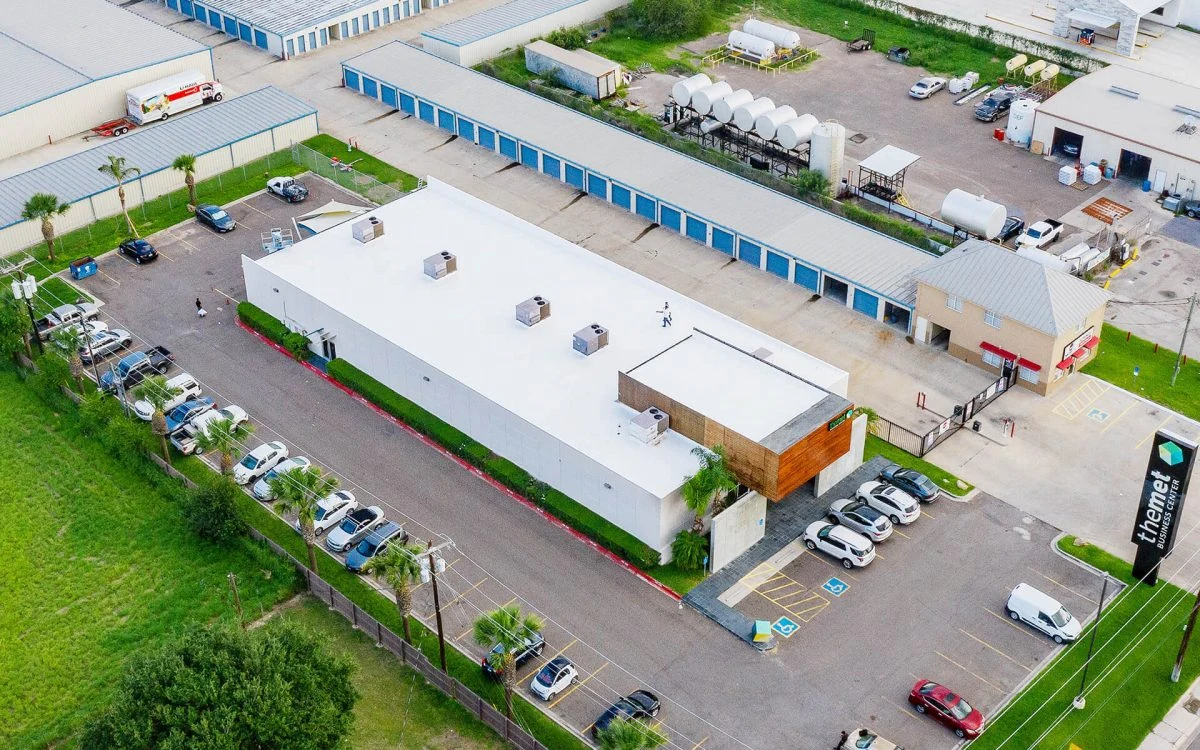
80-mil TPO is the sheet we reach for once a roof stops being simple, once there's a mechanical yard's worth of curbs and units, a walkway route for weekly service calls, or an ice-dam history at the parapets that's already chewed through a thinner membrane once. The extra 20 mils of cross-section costs more per square foot than 60-mil, but on the campus and hospital roofs that make up a growing share of our Worcester work, it's the gauge that actually matches the load the roof carries.
What the Extra Thickness Buys
Puncture resistance scales with membrane thickness more directly than almost any other performance number on a TPO spec sheet. A dropped tool, a loose piece of gravel under a boot, or a fastener head working loose under a piece of mechanical equipment all pose less risk to an 80-mil sheet than a 60-mil one, and on a roof with a defined walkway route for service technicians, that difference adds up over the life of the membrane.
The reflectivity and weld chemistry stay the same as 60-mil; what changes is how the sheet tolerates abuse. We spec 80-mil less for the roofs owners see and more for the roofs their maintenance crews actually stand on.
Mechanical-Heavy Roofs Around Worcester's Hospital and College Campuses
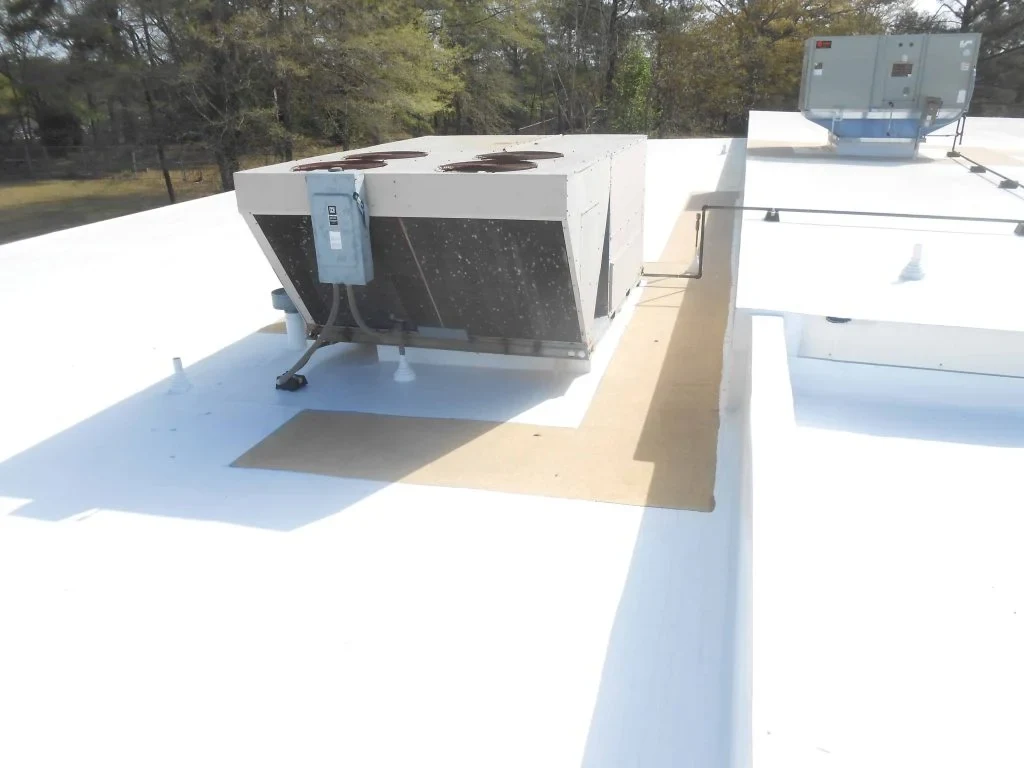
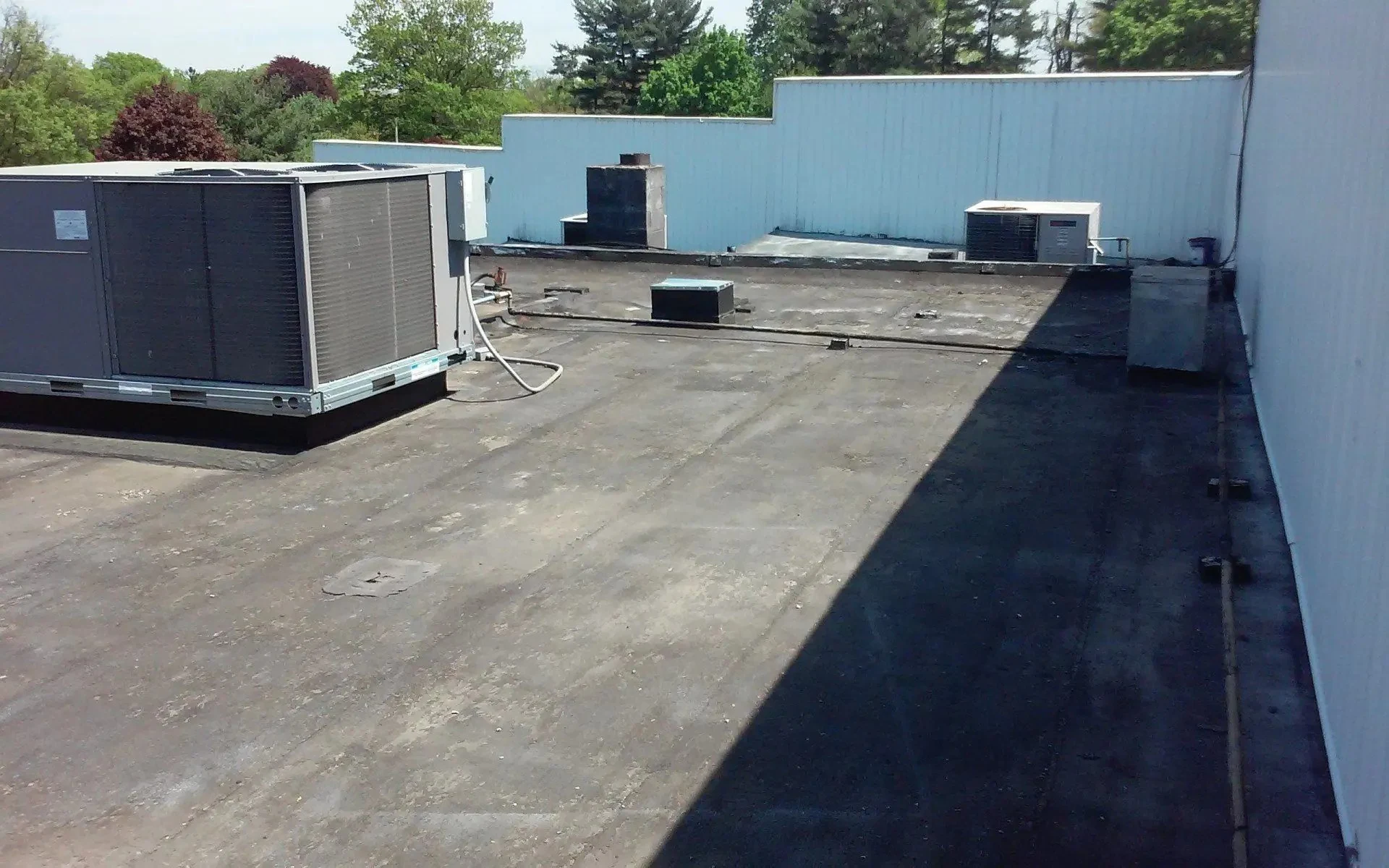
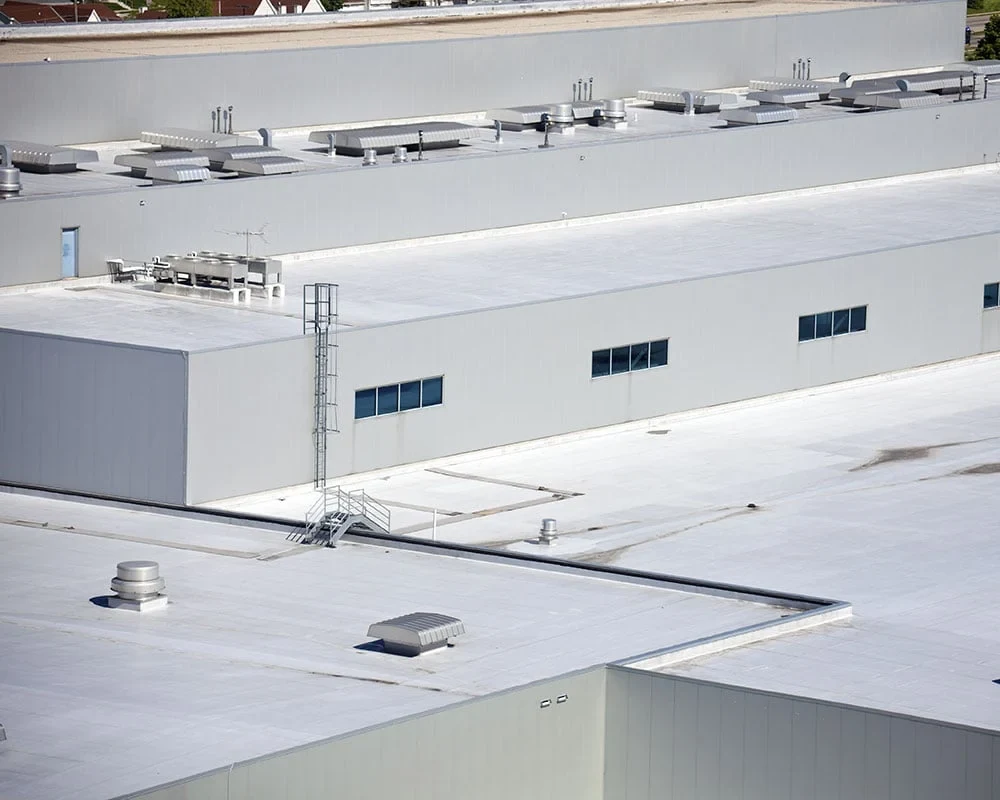
UMass Memorial's campuses and the roofs across Worcester's dozen-plus colleges carry more rooftop mechanical equipment per square foot than a typical retail building, and that equipment needs regular service. Every additional curb, unit, and walkway pad is another spot where a crew is up on the roof outside the annual inspection, and a thinner membrane simply sees more wear per year on that kind of building than on a single-tenant box with one rooftop unit and nobody up there between reroofs.
We spec walkway pads at every regular access route regardless of membrane gauge, but on an 80-mil field sheet those pads are protecting a membrane that already has more built-in margin, which matters when a facilities team is running biotech lab exhaust, chiller, and boiler service calls across the same roof.
Snow Load and Ballast Movement Under an 80-Mil Sheet
Worcester's design snow load runs higher than coastal markets, and a heavier snow load means more weight compressing and shifting any loose components on the roof, including ballast stone on the systems that still use it. An 80-mil membrane under a ballasted assembly holds up better to that repeated compression and to the abrasion loose stone can cause against the sheet during a freeze-thaw cycle, which happens dozens of times each winter here.
Wind uplift ratings still drive fastener spacing on mechanically attached 80-mil systems the same way they do on 60-mil, and we run that calculation independently of the thickness decision, since one doesn't substitute for the other.
- Hospital and medical campus roofs with dense mechanical equipment
- College and university buildings with rooftop HVAC clusters
- Buildings with defined walkway routes for weekly service access
- Roofs with a documented history of ice-dam abrasion at parapets
- Multi-tenant buildings with shared rooftop access for several trades
- Biotech and lab buildings with exhaust and makeup-air equipment
Fleece-Backed 80 Mil for Recover Jobs
A fair number of Worcester's older commercial buildings, particularly former mill and industrial structures now holding office or lab tenants, have a roof deck and insulation layer that's still sound underneath an aging membrane. A fleece-backed 80-mil sheet can go down as a recover over that existing roof in some cases, skipping a full tear-off while still upgrading to a thicker, more puncture-resistant field membrane.
We only recommend recover after checking the existing deck for trapped moisture and structural condition. A recover over a wet substrate just seals the problem under a new membrane instead of fixing it, so that inspection happens before we quote recover over tear-off, not after.
What 80-Mil TPO Costs Against Its Service Life
80-mil TPO runs measurably above 60-mil per square foot installed, and the honest comparison is against the maintenance and early-failure cost a thinner membrane can rack up on a high-traffic roof, not against the sticker price alone. On a roof with heavy foot traffic, the lifecycle cost per square foot often favors the thicker sheet once you account for fewer emergency patches and a longer stretch before recoat or replacement.
We put that comparison in writing for every mechanical-heavy roof we bid, showing installed cost against expected service interval, so an owner or facilities director isn't guessing at whether the upgrade pays for itself on their specific building.
Questions About 80-Mil TPO on Worcester Roofs
Is 80-mil TPO worth the added cost over 60-mil?
On roofs with regular foot traffic, dense mechanical equipment, or an ice-dam history at the parapets, yes. On a simple low-traffic roof, 60-mil usually clears the same performance bar for less money.
Does 80-mil TPO handle Worcester's snow load better than a thinner sheet?
The structural snow load rating comes from the building's engineering, not the membrane, but the thicker sheet does hold up better to the abrasion and compression that come with ballast movement under heavy, repeated snow weight.
Can 80-mil TPO be installed as a recover over an existing roof?
In many cases, using a fleece-backed version, once we've confirmed the existing deck and insulation are dry and structurally sound. We check moisture content before quoting recover over a full tear-off.
Do walkway pads still matter if I upgrade to 80-mil?
Yes. Pads protect the membrane at defined traffic routes regardless of gauge; the thicker sheet reduces risk everywhere else on the field.
How much longer does 80-mil TPO last than 60-mil in this climate?
Both gauges carry similar UV and weld chemistry, so the service-life difference shows up mainly on roofs with heavy traffic or abrasion, where the thicker sheet resists puncture and wear longer.