
Documenting Storm Damage for Worcester Insurance Claims
Insurance carriers evaluate a roof damage claim on the quality of the documentation supporting it, not on a contractor's opinion of what should be covered. Our role is producing that documentation accurately and quickly enough that it reflects the storm event, before weather or a temporary repair changes the evidence.
What We Document and When
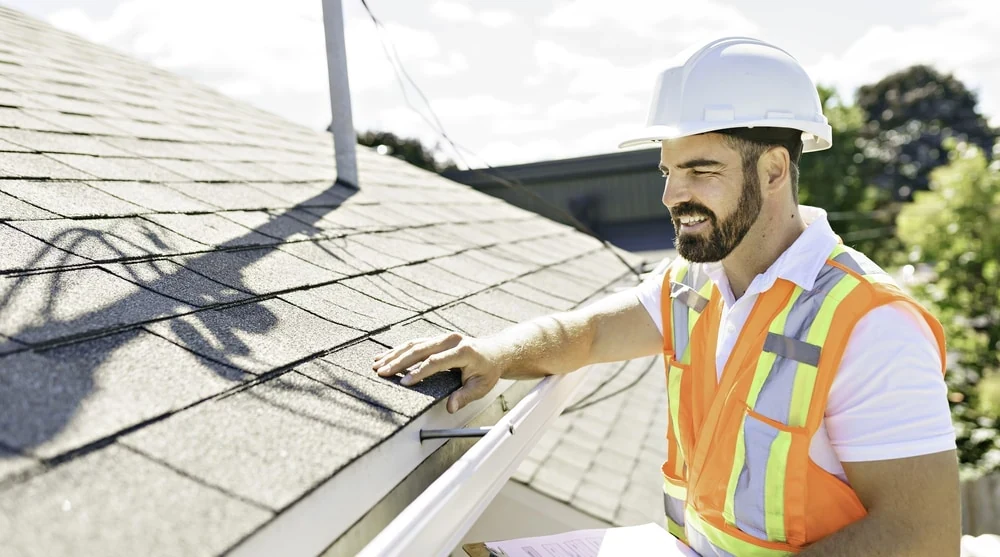
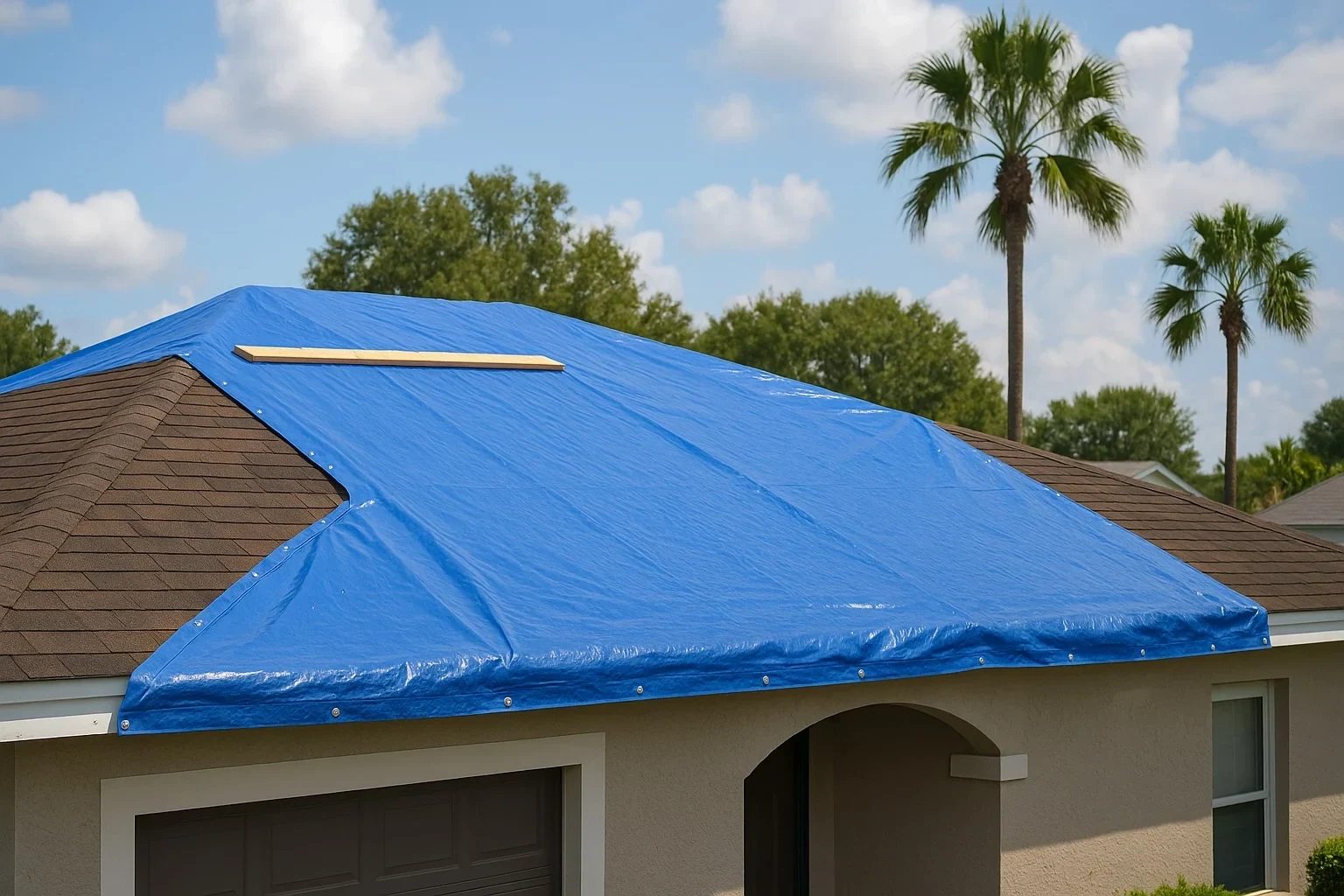
Every storm-related visit generates date-stamped photographs of the damage before any repair work alters it, along with measurements of the affected area and a written description of what we observed and where. This happens on the same visit as any emergency tarping, because the record needs to reflect the roof's condition as close to the storm event as possible , damage documented a week later, after wind and additional weather have moved things around, is a weaker record than damage documented within a day or two.
For larger-scale damage, we supplement photographs with a short video walkthrough of the affected roof area, since video sometimes captures context , how one damage point relates spatially to another , that a series of still photos can miss.
Separating Storm Damage from Pre-Existing Wear in the Documentation
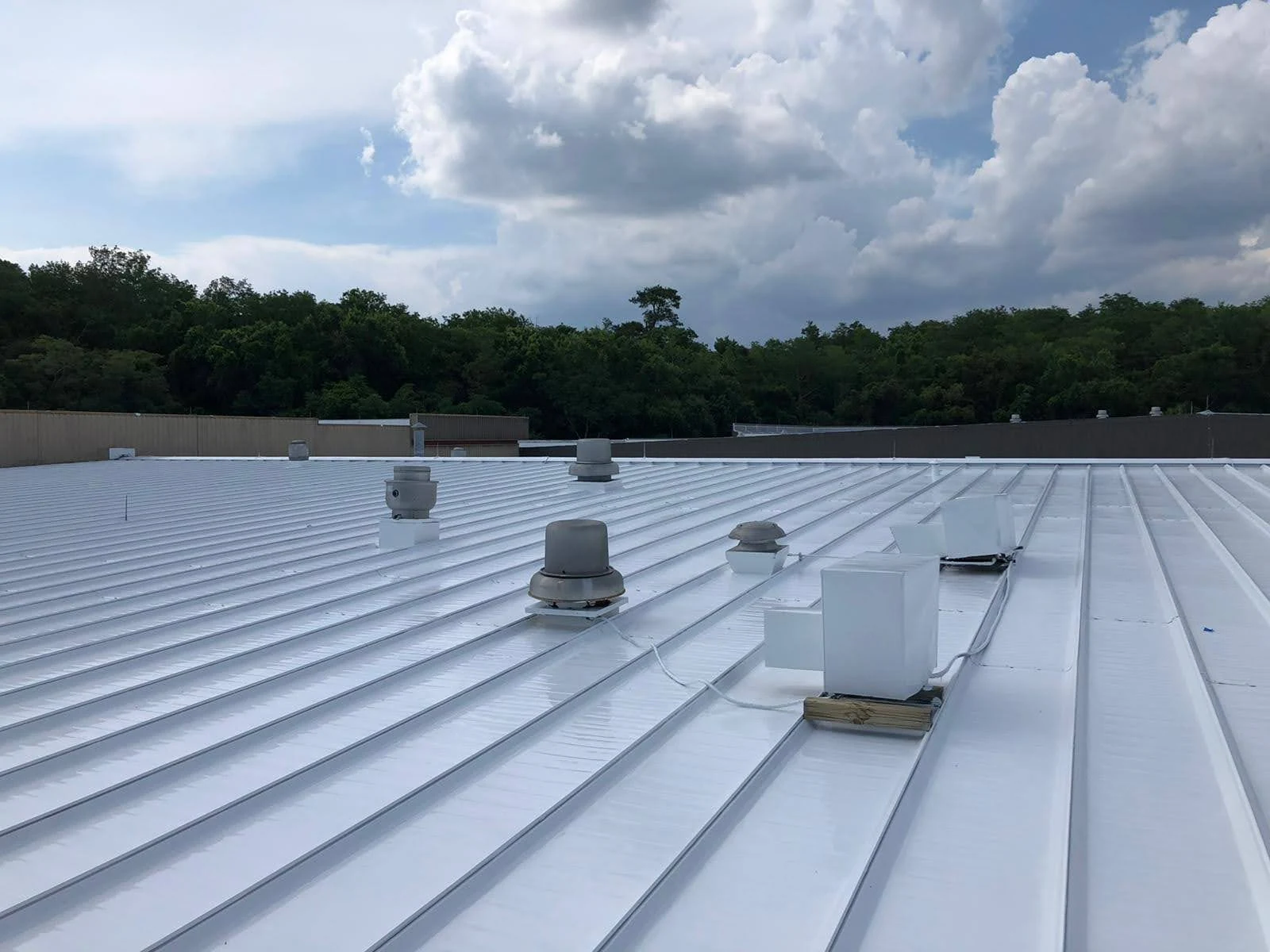
Adjusters are trained to distinguish acute storm damage from pre-existing membrane wear, and documentation that blurs that line tends to slow a claim down rather than help it. We describe what we observe factually , this seam shows fresh separation consistent with wind uplift, that section shows age-related granule loss unrelated to the storm , because an accurate record holds up better through the adjustment process than one written to maximize claim size. We're not making a coverage determination; that's between the owner and the carrier.
When our assessment differs from an adjuster's initial read, we stick to the same factual description rather than escalating language on a second visit, because the documentation's value depends on staying consistent and observation-based from the first day through the final claim resolution.
Meeting the Adjuster on the Roof
When an owner requests it, we walk the roof with the insurance adjuster to provide technical context , explaining how a specific membrane system fails under wind load, or why a particular flashing detail is original to the building versus a prior repair. We're there to answer roofing questions the adjuster may have, not to negotiate the claim amount on the owner's behalf.
We coordinate the roof walk timing with the owner and the adjuster's office directly, since adjusters covering a wide territory across central Massachusetts often have narrow scheduling windows, and a missed walk-through can push a claim's timeline back by a week or more.
- Date-stamped photographs of all damaged areas
- Measurements and roof-plan location of each damage point
- Written description separating storm damage from pre-existing condition
- Line-item repair or replacement estimate
- Code-upgrade cost items noted separately where applicable
- Copy of the emergency dry-in work order, if one was performed
Scope-of-Loss Estimate Versus Repair Estimate
A scope-of-loss estimate is formatted differently than a standard repair proposal , it itemizes each damaged component separately with unit costs, rather than presenting a single lump-sum number, because that's the format most carriers require to process a claim. We also flag anywhere current building code requires an upgrade beyond simple like-for-like repair , added insulation R-value or updated flashing details, for example , as a separate line, since code-upgrade coverage is a distinct question from storm-damage coverage and owners should see that distinction on paper rather than have it buried in one total.
Each line separates material cost from labor cost rather than presenting a single blended unit price, which matches how most adjusters are trained to review a scope and makes it easier for them to cross-check against their own estimating software.
Timeline: Documentation Speed Matters for Claims
The gap between a storm event and documentation matters. Photographing damage the same day or within a day or two of the storm creates a record that clearly ties to that specific event. Waiting weeks, or documenting only after a temporary tarp has already been in place through additional weather, makes it harder to establish what damage came from which cause. We prioritize getting documentation done during the initial emergency response for exactly this reason.
We retain photo and measurement records from every storm-related visit for several years afterward, since a claim occasionally gets reopened or a related dispute surfaces well after the original repair is finished, and having the original documentation on file avoids reconstructing it from memory.
Insurance Documentation Questions We Get
Do you help get my claim approved?
We provide accurate, factual documentation of the damage and a line-item scope of loss. The coverage determination is made by the carrier based on the policy and the evidence.
How fast should damage be documented after a storm?
As close to the event as possible, ideally within a day or two, before weather or temporary repairs change what's visible.
Will you attend the adjuster meeting?
Yes, when requested, to provide technical context about the roofing system and damage. We're there to answer roofing questions, not to negotiate the claim amount.
What's the difference between a scope of loss and a regular repair estimate?
A scope of loss itemizes each damaged component with unit costs in the format most carriers require, rather than a single lump-sum repair number.
How do you handle code-upgrade costs in the documentation?
We note them as a separate line item from the storm-damage repair scope, since code-upgrade coverage is a distinct question from storm damage under most policies.