
TPO Membrane Specs for Worcester's Hospital and Campus Roofs
TPO is the single-ply membrane we quote most often on large flat roofs across Worcester, and the number on a TPO proposal changes a lot depending on mil thickness and attachment method. We price it by naming both, not by handing over a brand name and a square-foot total.
Mil Thickness Is the First Number We Set
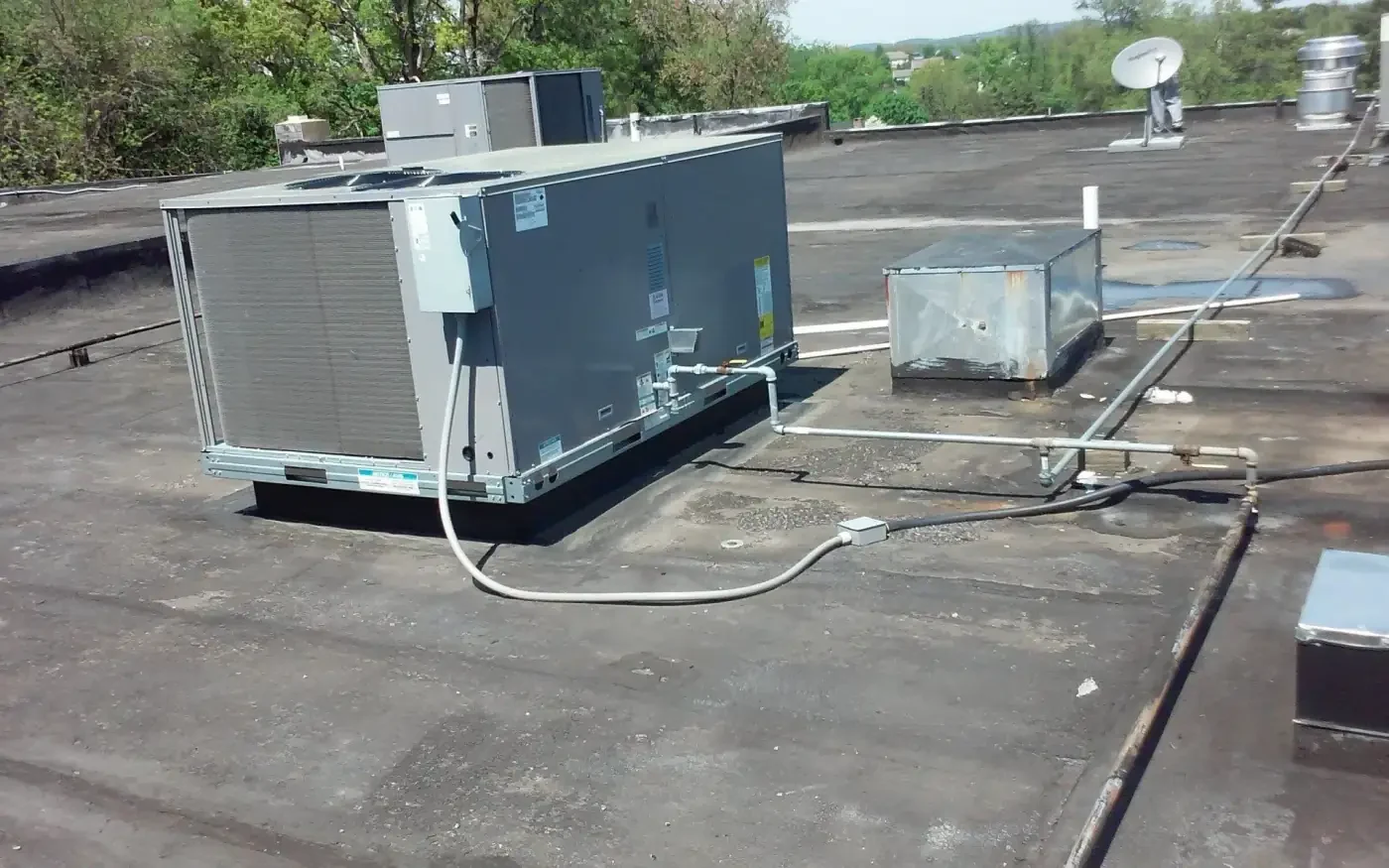
TPO comes in 45, 50, 60, and 80-mil sheet, and the jump from 45 to 60-mil is where most of our Worcester bids land for hospital and lab buildings that carry heavy rooftop mechanical traffic. A thinner sheet costs less per square foot up front but shows puncture and fatigue damage sooner around foot traffic paths to rooftop units, and UMass Memorial's campus and the surrounding medical office buildings see a lot of technician traffic for HVAC and equipment service.
For lower-traffic roofs over office space or light retail, 45-mil is often the right economic call. We size the mil thickness to how much foot traffic and equipment access the roof will actually see over its service life, not to a flat default.
Attachment Method Changes the Wind Number
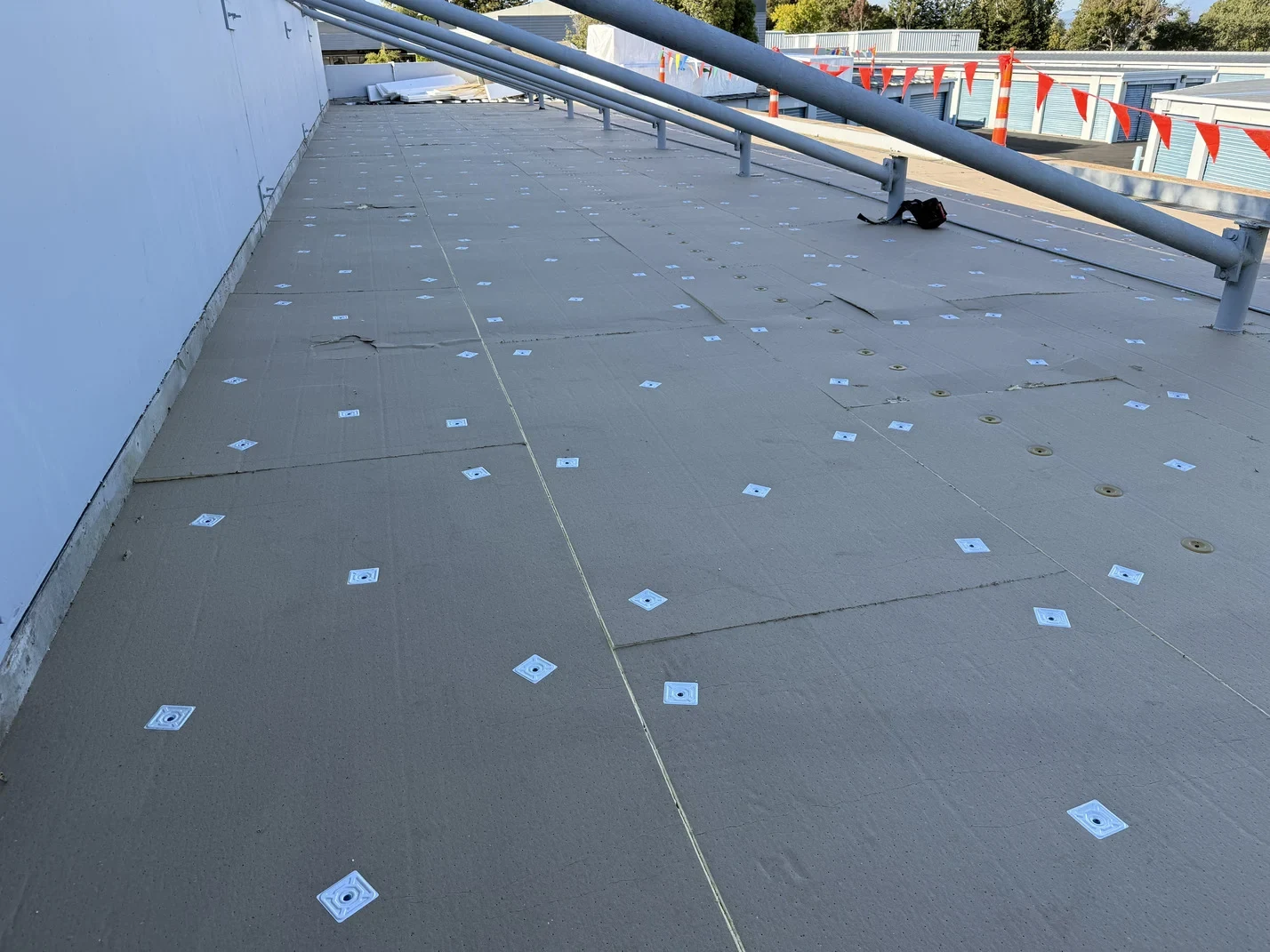
Mechanically fastened TPO is the cheapest install and works fine on most low-rise commercial buildings, but fully adhered systems carry a higher wind uplift rating that matters on taller buildings and open sites near the Route 146 and I-290 corridors where wind exposure is higher. Nor'easters bring sustained wind loads that a mechanically fastened seam pattern has to be engineered for, not assumed to handle.
Ballasted TPO shows up less often in our market because the stone ballast adds dead load to a roof structure, and a lot of Worcester's older mill and institutional buildings are already carrying weight from prior recover layers. We run the structural math before recommending ballast on anything but new construction with a deck designed for it.
Seam Welding and the Cold-Weather Install Window
TPO seams are hot-air welded, and that process needs the membrane to be dry and above a minimum temperature to bond correctly. Worcester's install season for TPO effectively runs from April through November, with late-fall jobs scheduled around the first hard freeze rather than a calendar date. A weld made too cold looks fine on inspection day and fails at the seam a winter or two later.
We sequence larger TPO jobs so the roof is fully welded and watertight before temperatures drop, even if that means running two crews or extending the schedule into evening hours during the shoulder season.
Reflectivity and the Summer Cooling Load
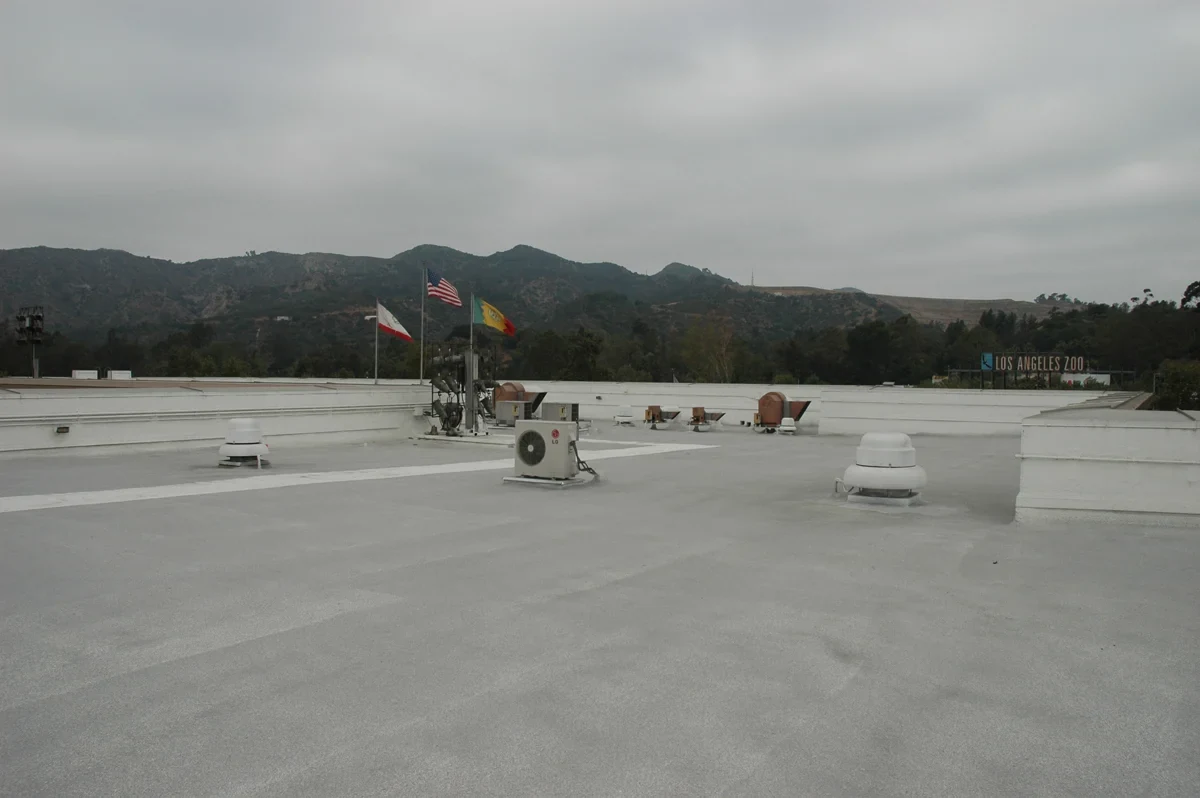
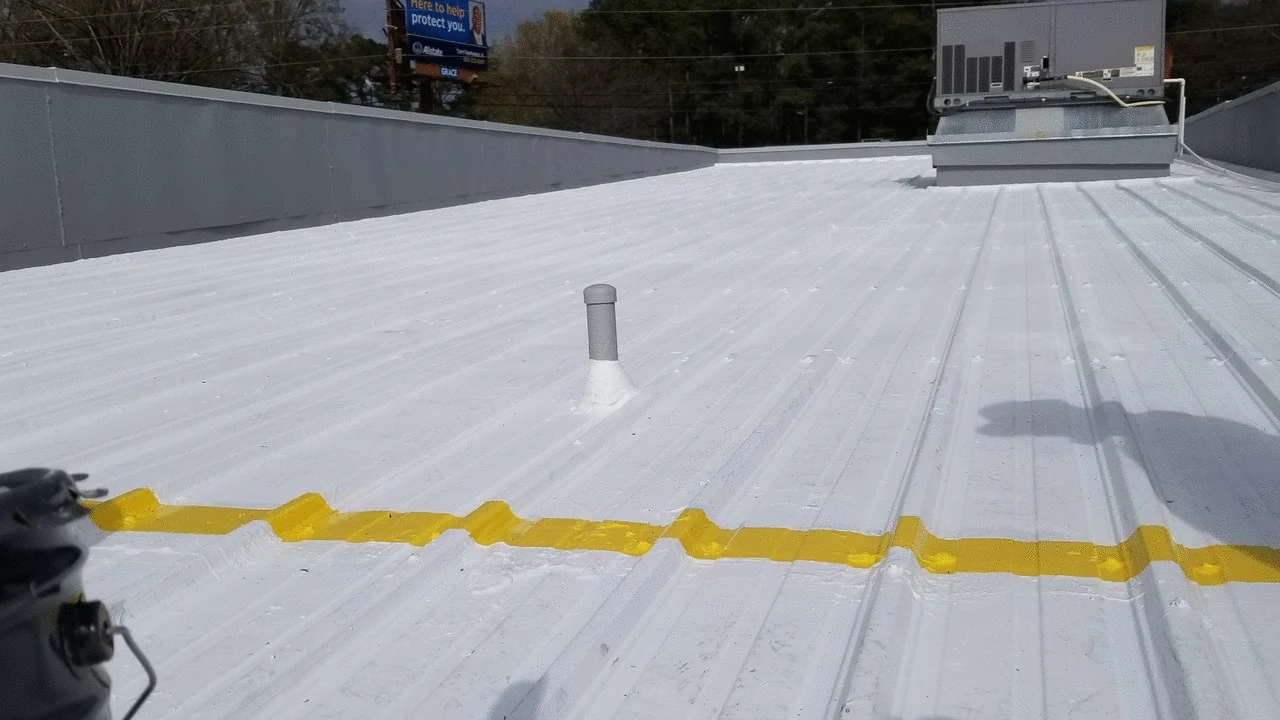
White TPO reflects a large share of solar heat gain compared to a dark membrane, which shows up as a real reduction in rooftop unit run time on buildings with big HVAC loads. Lab and biotech space tied to the UMass Chan Medical School cluster runs mechanical systems hard for humidity and temperature control, and a reflective roof takes some of that load off the equipment.
The reflectivity advantage matters less on a shaded roof or one with a lot of rooftop equipment shadowing the membrane, so we weigh it against the building's actual solar exposure rather than treating it as a given.
What we confirm before pricing a TPO roof:
- Mil thickness matched to expected foot traffic and equipment access
- Attachment method sized to the building's height and wind exposure
- Insulation R-value and whether the layout is tapered for drainage
- Seam welding schedule that finishes before the first hard freeze
- Flashing detail at every curb, drain, and parapet on the roof
- Warranty terms, and whether they cover labor or material only
Where TPO Fits Against EPDM and PVC
TPO sits in the middle of our single-ply pricing, usually below PVC and close to or slightly above EPDM depending on mil thickness. It doesn't have PVC's resistance to grease and chemical exposure, which matters for kitchen exhaust near college dining and dorm buildings, and it doesn't have EPDM's long field track record on older recover jobs. For a straightforward flat roof without unusual exposure, it's usually the most balanced number on the page.
Ponding Water and TPO's Real Limits
TPO membrane itself tolerates short-term ponding without much damage, but standing water sitting on a TPO roof for extended periods after a storm still stresses seams and flashing details over time, the same as it would on any single-ply membrane. On flat roofs near the Worcester Regional Airport and other open sites where drainage design was marginal to begin with, we check slope and drain placement before assuming a new TPO membrane alone will solve a ponding complaint carried over from the old roof.
Where ponding is a documented, recurring problem rather than an occasional post-storm condition, we look at tapered insulation under the new TPO membrane to correct the slope, instead of installing a flat membrane over the same drainage flaw and expecting a different result.
Questions Worcester Owners Ask About TPO
What mil thickness do you recommend for a hospital or lab roof?
We typically spec 60-mil or heavier on roofs with regular technician traffic to rooftop units, since the thicker sheet holds up better against repeated foot traffic and equipment carts.
Can TPO be installed in the winter?
Not reliably. Seam welding needs the membrane dry and above a minimum temperature, so winter work is limited to emergency patching and dry-in rather than full installation.
Does TPO help with cooling costs on a hospital or lab building?
White TPO reduces solar heat gain compared to a dark membrane, which can lower rooftop unit run time, though the effect depends on how much of the roof is shaded by existing equipment.
How long does a TPO roof last in this climate?
Service life depends heavily on mil thickness and installation quality, and we size the warranty term to the specific membrane thickness and attachment method we spec, not a generic industry number.
Is mechanically fastened or fully adhered TPO better for my building?
It depends on building height and wind exposure. We run the wind uplift math for your specific site before recommending one over the other.