
Why EPDM Still Gets Specified on Worcester's Mill Conversions
EPDM is the oldest single-ply membrane still in wide use, and it keeps showing up on our Worcester bids for a simple reason: it's often the cheapest way to get a proven, long-lived roof onto a building that doesn't need the reflectivity or chemical resistance of a newer membrane. We spec it by attachment method and seam detail, the same way we spec any other system.
Where EPDM Makes Sense in This Market
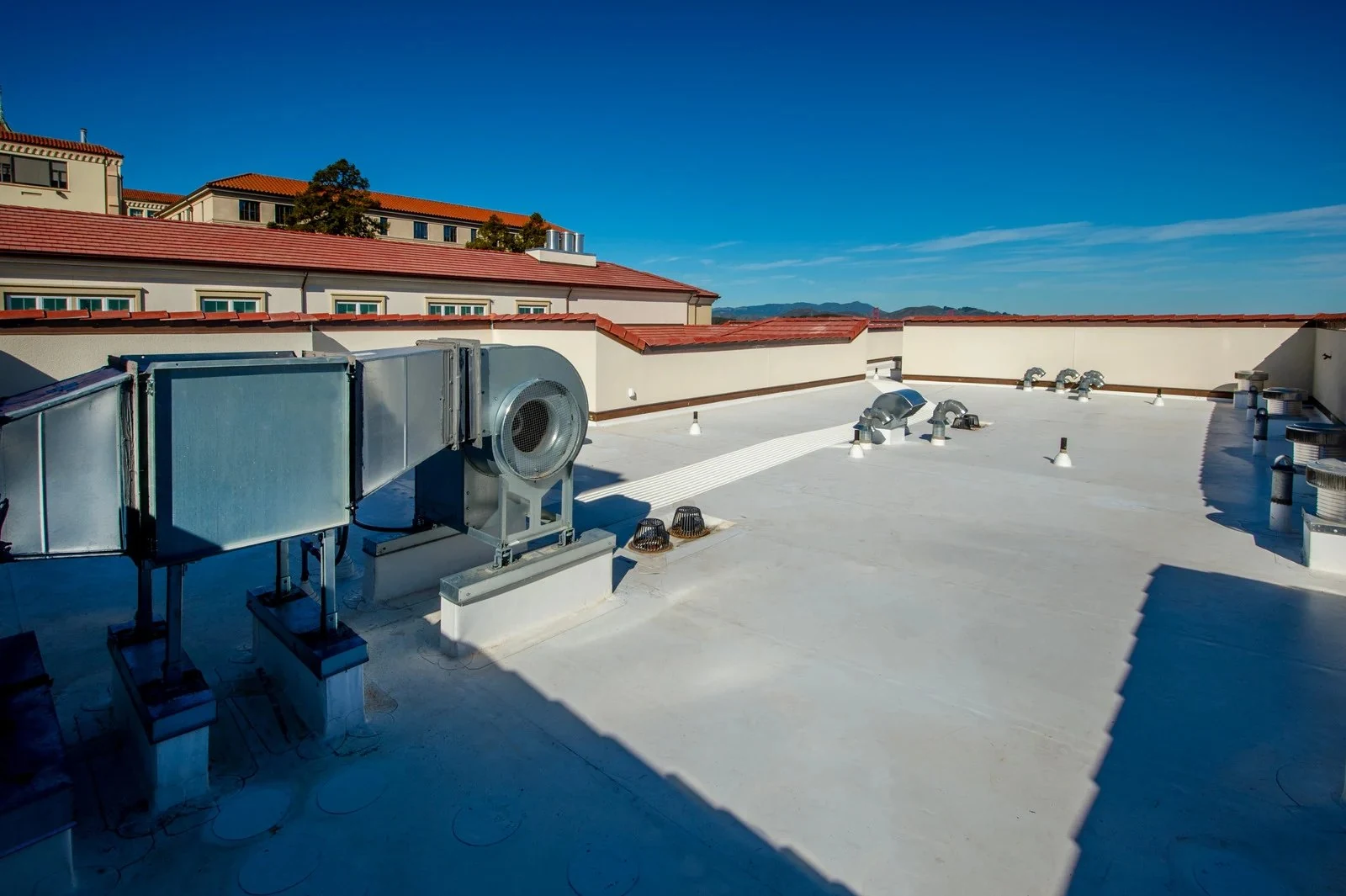
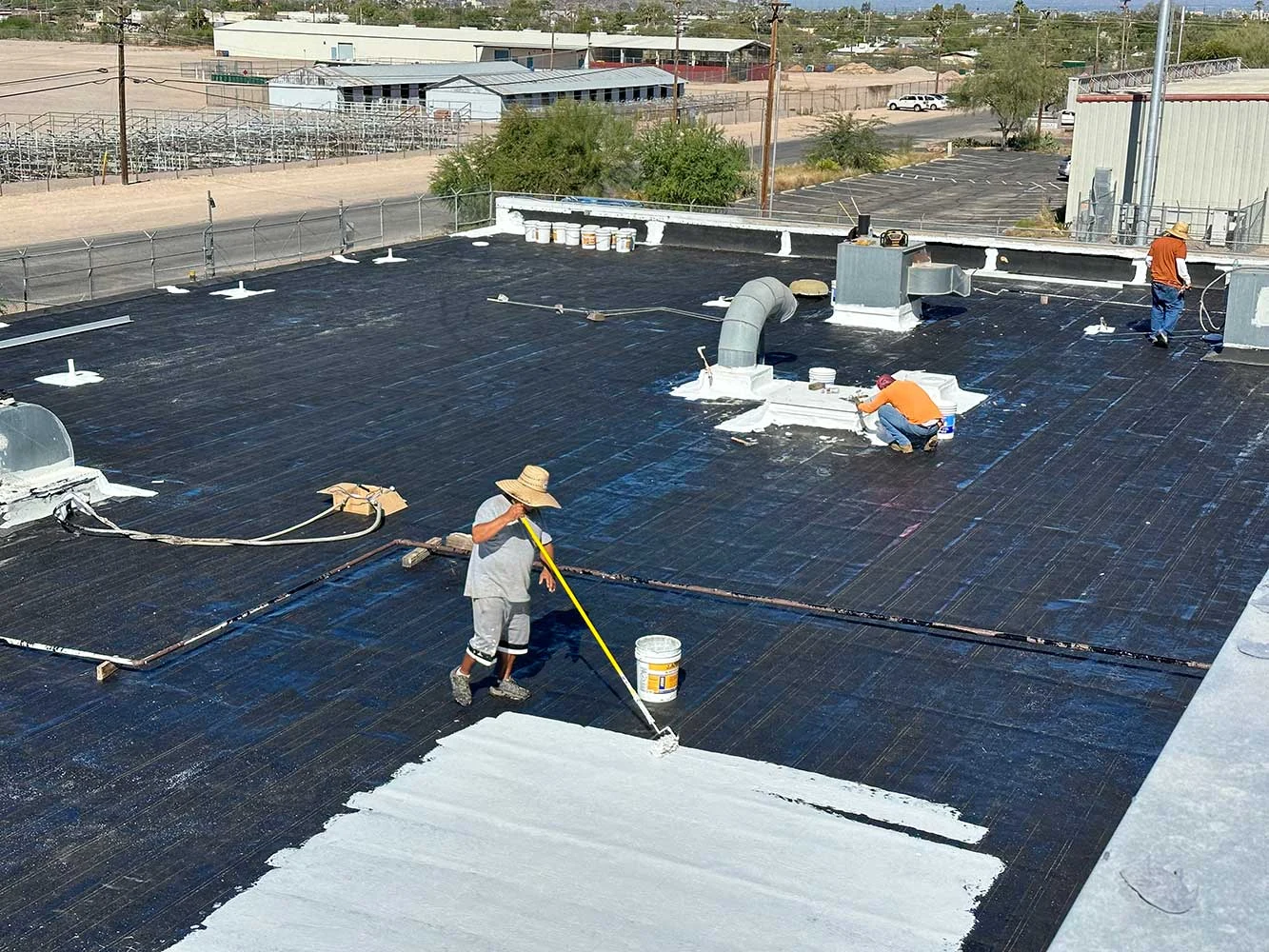
Mill conversions along the Blackstone Canal corridor and light-industrial buildings near Kelley Square are common EPDM candidates, especially where the building doesn't run heavy air conditioning and reflectivity isn't doing much for the owner's utility bill. EPDM's black membrane absorbs solar heat rather than reflecting it, which is a disadvantage on a hospital or lab roof but close to irrelevant on an unconditioned warehouse or storage building.
We also see EPDM specified on recover projects where the existing insulation and drainage are sound and the owner wants the lowest reasonable cost per square foot for a new membrane, rather than paying a premium for reflectivity or chemical resistance the building doesn't need.
Ballasted, Fully Adhered, or Mechanically Fastened
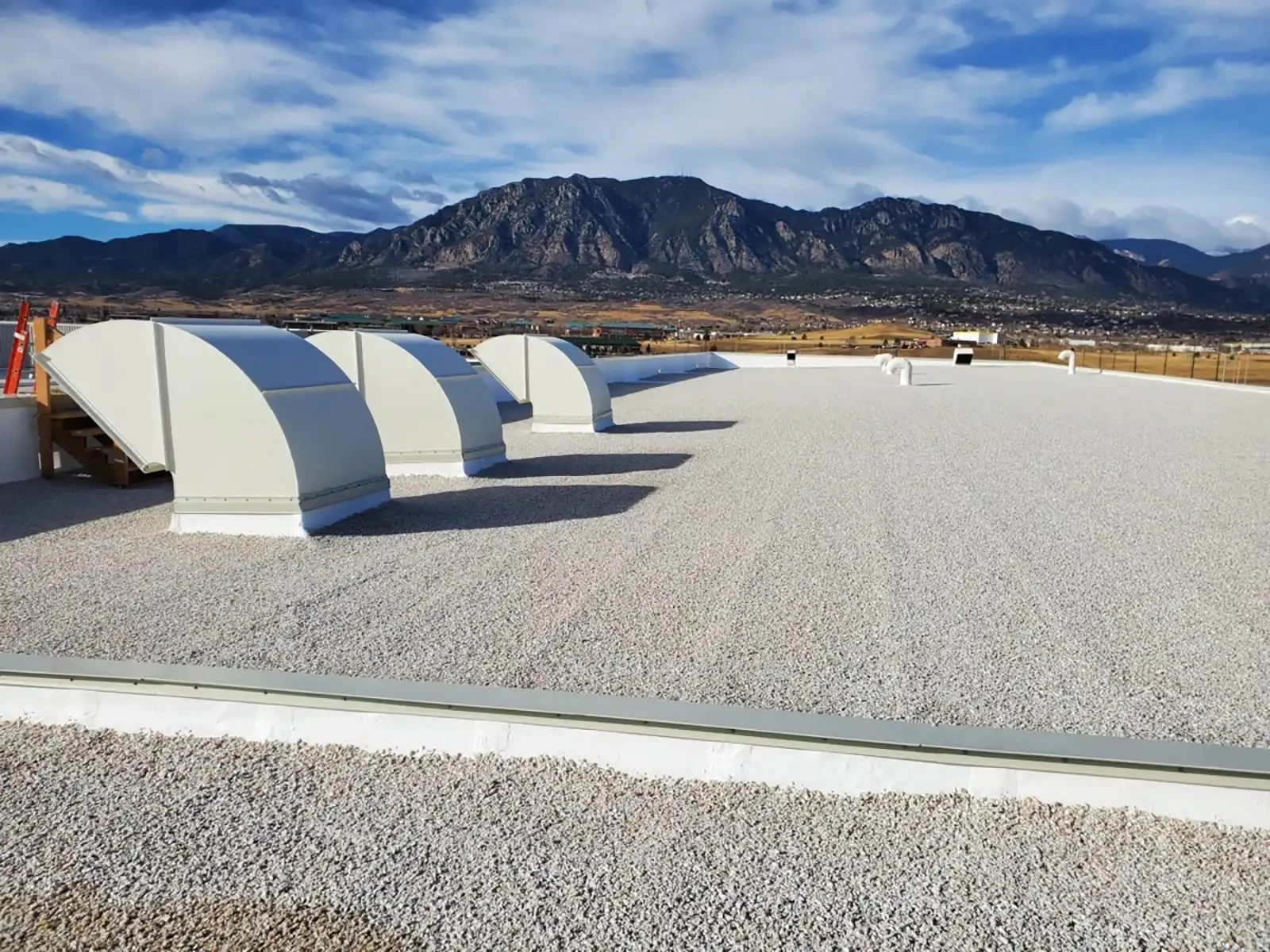
Ballasted EPDM with river stone ballast is the cheapest membrane cost per square foot, but it adds real dead load to the roof structure, which we check carefully on older mill buildings where the deck may already be carrying weight from a prior built-up recover. On a structure that can't take the added weight, we move to fully adhered or mechanically fastened EPDM instead.
Fully adhered EPDM gives a cleaner wind uplift number without the added ballast weight, and it's usually our default recommendation on mid-rise buildings with real wind exposure along the Route 146 corridor or open sites near the airport. Mechanically fastened EPDM sits between the two on both cost and performance.
Seam Tape Is Where Old EPDM Roofs Fail
EPDM seams are joined with adhesive tape rather than heat-welded like TPO or PVC, and tape seams have a real service life that's shorter than the membrane field itself. Most of the leak calls we get on 15 to 20-year-old EPDM roofs trace back to a failed seam, not a puncture in the membrane field. When we inspect an older EPDM roof for a recover or repair, seam condition is the first thing we check, before we look at anything else.
Modern seam tape products have closed a lot of the reliability gap compared to older adhesive systems, and we spec the current-generation tape on every EPDM install rather than the cheaper legacy product some contractors still use to shave cost off a bid.
Cost Per Square Foot Against TPO and PVC
EPDM typically prices below TPO and well below PVC on a straight material and labor comparison, which is why it still gets specified on cost-sensitive projects. The gap narrows once you account for EPDM's shorter typical seam life and factor in a seam re-tape or recoat cycle over a 20 to 30-year ownership horizon.
What we confirm before pricing an EPDM roof:
- Attachment method sized to the structure's load capacity and wind exposure
- Seam tape product generation, checked separately from membrane brand
- Insulation R-value and drainage layout under the membrane
- Flashing detail at curbs, drains, and parapets
- Whether the roof is a recover over existing insulation or a full tear-off
- Warranty terms and whether labor is included
Freeze-Thaw and Ponding on Older EPDM Roofs
EPDM handles freeze-thaw cycling reasonably well in the membrane field itself, but ponding water sitting on a poorly drained roof through a Central Mass winter puts repeated stress on seams and flashing details. A lot of the older mill buildings we inspect have drainage that's degraded over decades of settling, and we address the drainage layout before recommending a straight membrane replacement over the same low spots.
Parapet walls on these older buildings often trap snow against the roof edge longer than an open eave would, which extends the freeze-thaw exposure right where the membrane meets the flashing. We look at parapet height and drain placement together when we're deciding whether a drainage correction should be part of the recover scope rather than treating the membrane in isolation.
Repair vs Full Membrane Replacement
A lot of EPDM calls we get start as a single leak, and the first question is whether that leak points to an isolated seam failure or a membrane that's failing broadly across the field. An isolated seam repair is a same-week fix. A membrane showing shrinkage, widespread seam stress, or multiple leak points in different areas of the roof is telling us the system is near the end of its service life, and patching it further just delays a full replacement while the building keeps taking on water in new spots.
We walk the whole roof before quoting a repair rather than looking only at the area around the reported leak, since EPDM that's failing at one seam is often close to failing at several others that haven't leaked yet.
Questions Worcester Owners Ask About EPDM
Is EPDM cheaper than TPO?
Usually, yes, on a straight material and labor basis. The gap narrows when you factor in seam maintenance over the life of the roof.
Can EPDM be ballasted on an older mill building?
Only if the structure can carry the added dead load. We check that before recommending ballast rather than assuming the deck can take it.
Why does my old EPDM roof keep leaking at the seams?
Seam tape has a shorter service life than the membrane field, and most leaks on aging EPDM roofs trace back to a failed seam rather than a puncture.
Does EPDM work on a building with a lot of rooftop equipment?
Yes, though we account for the added foot traffic and detail work around each unit when sizing seam tape and flashing quality.
How long does EPDM typically last in this climate?
Membrane field life is often long, but seam condition and drainage upkeep matter more than the membrane itself for how long the roof stays watertight.