

Built-Up Roofing on Worcester's Legacy Campus and Mill Buildings
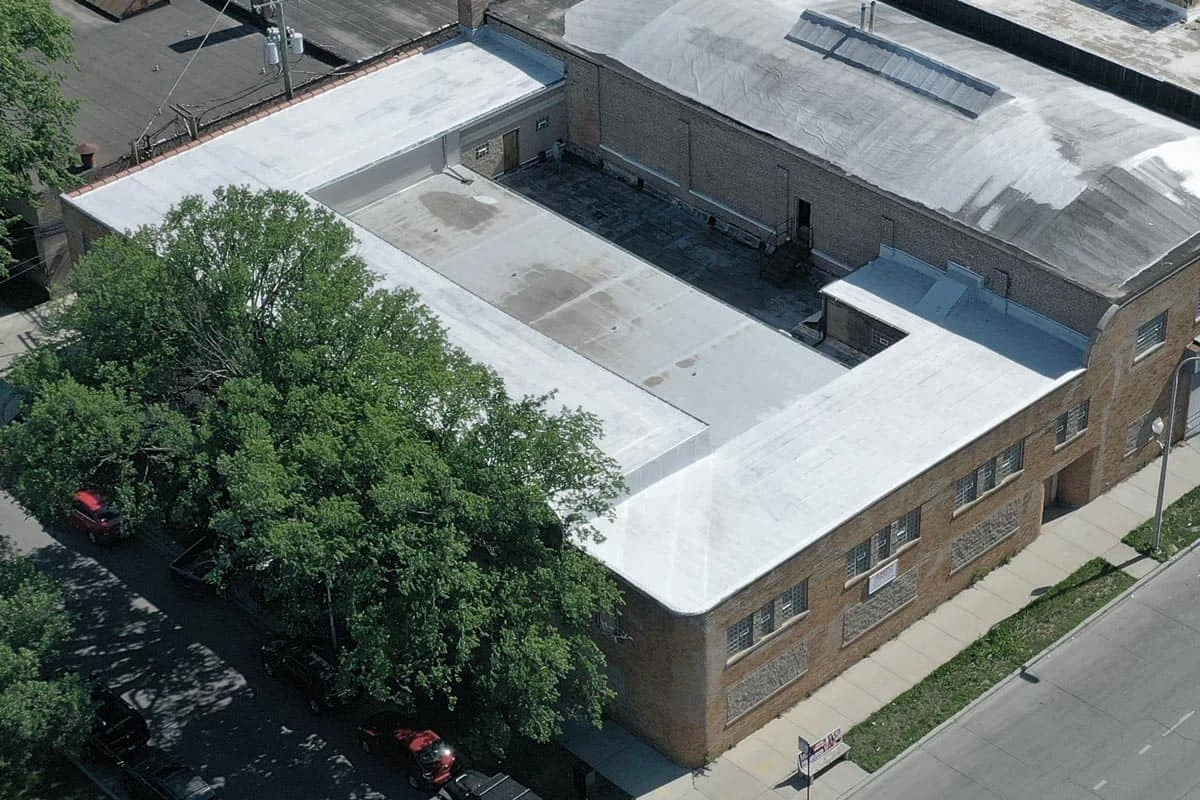
Built-up roofing, or BUR, is the layered gravel-and-asphalt system that's been on a lot of Worcester's older institutional and mill buildings since before single-ply membranes existed. We still quote it on recover and repair jobs where an existing BUR system is sound enough to build on, and the math there is different from pricing a new membrane.
What's Actually Under the Gravel
A BUR roof is built from alternating layers of asphalt and reinforcing felt, typically three to five plies, finished with a gravel or mineral aggregate surface that protects the asphalt from UV exposure. That layered construction gives real redundancy, but it also means a lot of dead weight sitting on the structure, which matters most on Worcester's older mill buildings and pre-war campus buildings originally designed with a lighter roof assembly in mind.
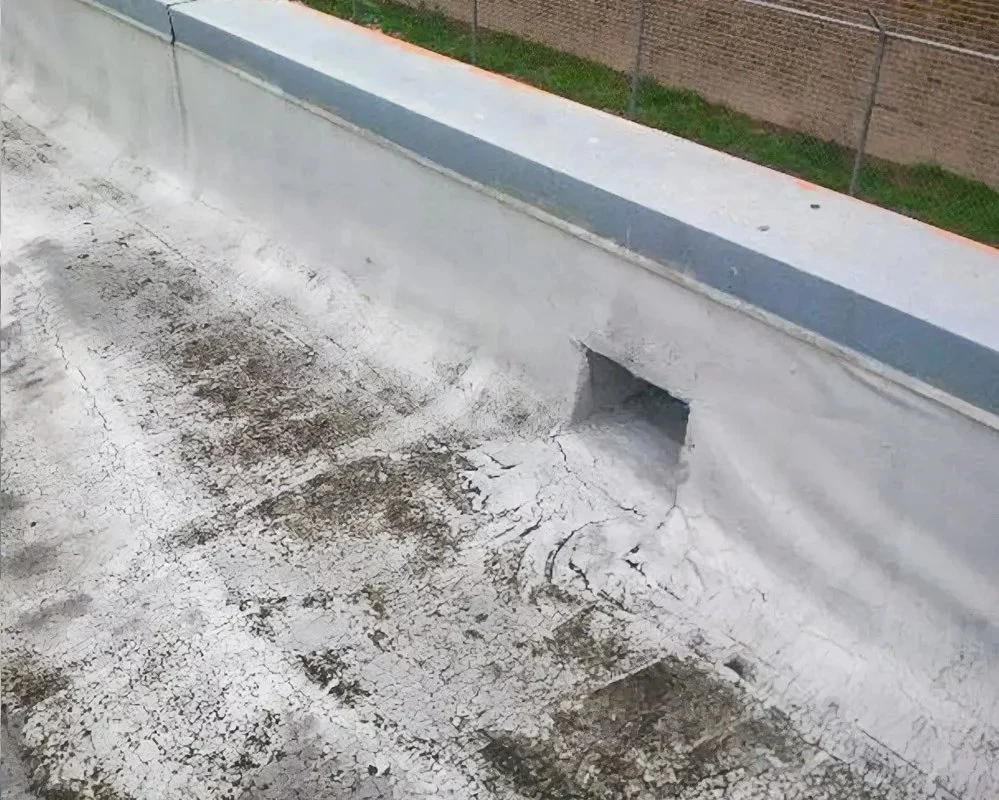
When we inspect an aging BUR roof, we're checking ply separation, blistering, and how much water the gravel surface is holding, rather than only looking at the top layer. A roof that looks rough from the ground can still have sound plies underneath, and one that looks fine can be delaminating where you can't see it.
We pull core samples in a few spots on most BUR inspections, since a core sample shows the actual ply count, the condition of the asphalt between layers, and whether water has worked its way into the insulation below. That physical evidence carries more weight in our recommendation than a visual walk alone.
Structural Weight Is the First Number We Check
Some of the wire-mill and machine-tool-era buildings along the Blackstone Canal corridor have had two or three recover layers added to the original BUR system over the decades, and each layer adds weight the original deck design may not have accounted for. Before we recommend another recover, we check the structure's load capacity against the combined weight of what's already up there plus what we'd be adding.
On older college buildings from the same construction era, we run the same check. A recover that pencils out cheaper than a tear-off on paper isn't worth it if the structure can't safely carry the added load through a heavy Central Mass snow season.
Recover vs Tear-Off: How We Decide
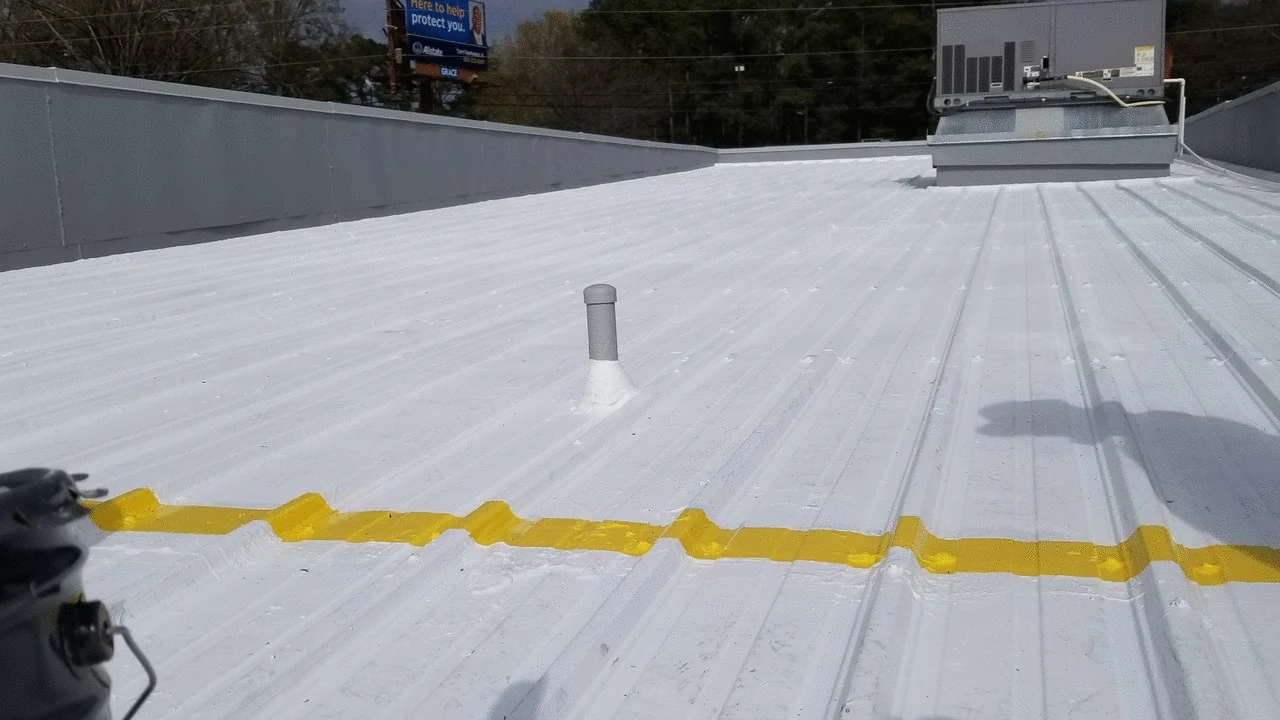
If the existing BUR system is dry, the insulation underneath hasn't degraded, and the structure can handle another layer's weight, a cap sheet or coating recover over the existing roof is usually the lower-cost path. If any of those three conditions fails, we recommend a full tear-off instead, even though it costs more upfront, because a recover over a wet or overloaded roof just delays a bigger problem.
What we check before recommending a recover over a tear-off:
- Moisture content in the existing insulation, checked by probe or scan
- Number of existing ply layers and their overall condition
- Structural load capacity against combined existing and added weight
- Drainage slope and whether ponding water is already a problem
- Parapet and flashing condition at every roof edge
- Local code limits on the number of roof layers allowed
Wind Uplift and Ballast
The gravel or aggregate surface on a BUR roof functions as ballast, which gives real wind uplift resistance without mechanical fasteners through the membrane. That's an advantage on exposed sites, but it's also weight the structure has to carry permanently, which circles back to the same load calculation we run on every recover decision.
Freeze-Thaw on an Aging BUR System
Water that gets between plies during a thaw and then refreezes overnight is what drives most of the ply separation we see on older BUR roofs in this climate. That damage accumulates slowly across multiple winters rather than showing up after one storm, which is why an aging BUR roof that seemed fine two years ago can suddenly need real work.
Buildings along the Blackstone Canal corridor that still run BUR roofs from the mid-century construction boom are often at the point where the original system has absorbed decades of this freeze-thaw cycling. We treat each winter's ice and snow load as a factor that shortens remaining service life, not a one-time event, which shapes how urgently we recommend action on a roof that's showing early signs of ply separation.
Roofs on the higher-elevation side of the city, away from the direct river valley, can also see slightly heavier accumulated snowfall over a season than lower-lying sites, which we factor into the structural conversation on any BUR building near the top of its rated load capacity.
Questions Worcester Owners Ask About Built-Up Roofing
Is a recover always cheaper than a tear-off?
Upfront, usually yes. Over the roof's remaining life, it depends on the existing roof's moisture condition and whether the structure can safely carry the added weight.
How do you check if my old BUR roof has trapped moisture?
We use a moisture probe or infrared scan to check the insulation layer without opening up the whole roof.
Can gravel ballast be too heavy for an old mill building?
Yes, especially on buildings that already have multiple recover layers underneath it. We run the structural math before adding or keeping a ballasted system.
Does code limit how many roof layers I can have?
Generally yes, and once that limit is hit a tear-off becomes the only compliant option regardless of what the existing roof's condition would otherwise allow.
How long can an old BUR roof last with recover maintenance?
It depends heavily on how many recovers it's already had and the structure's remaining load capacity, which is why we check both before quoting anything.