
Silicone Coatings Buying Extra Years on Aging Worcester Roofs
A silicone roof coating doesn't replace a membrane, it extends one, and on the aging TPO, EPDM, and mod-bit roofs scattered across Worcester's older commercial and institutional buildings, a recoat is often the fastest way to add ten or more years of service life without a tear-off, a dumpster, and a full reroof budget.
What a Silicone Recoat Actually Does
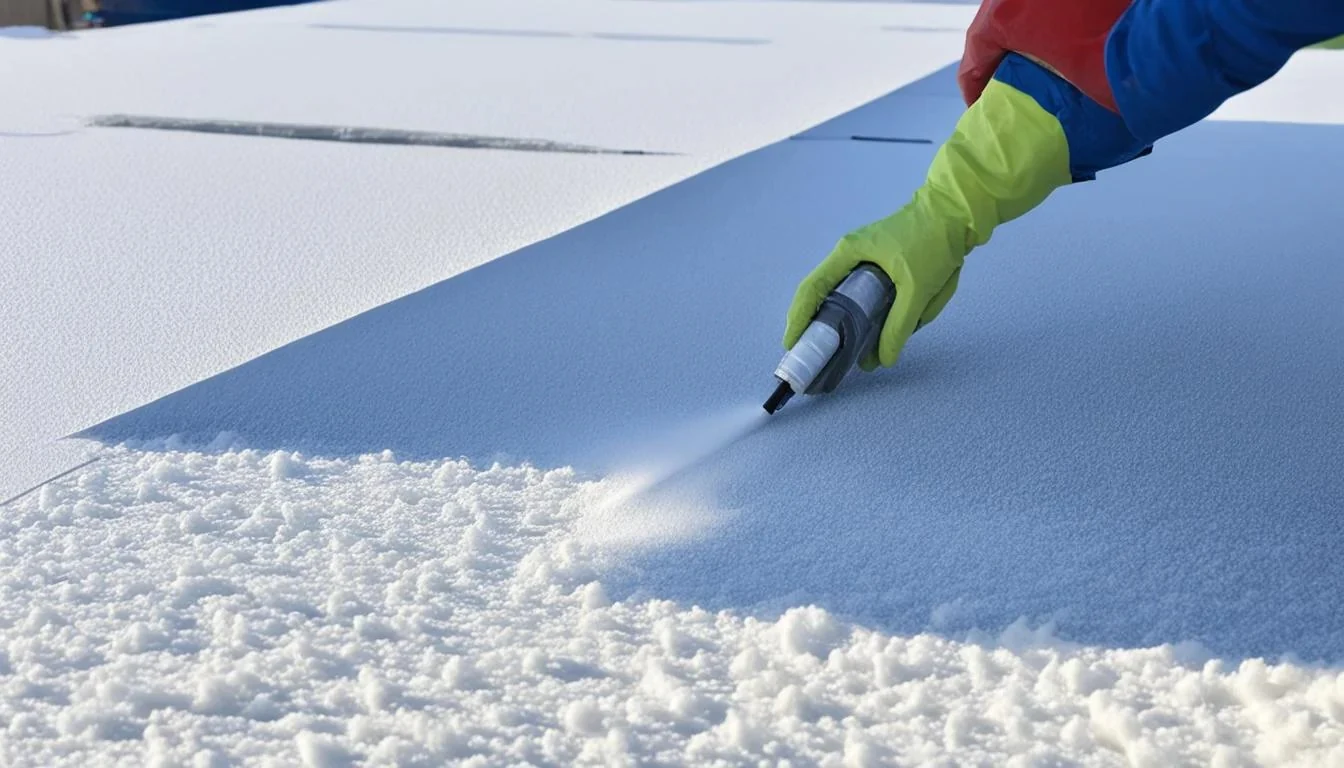
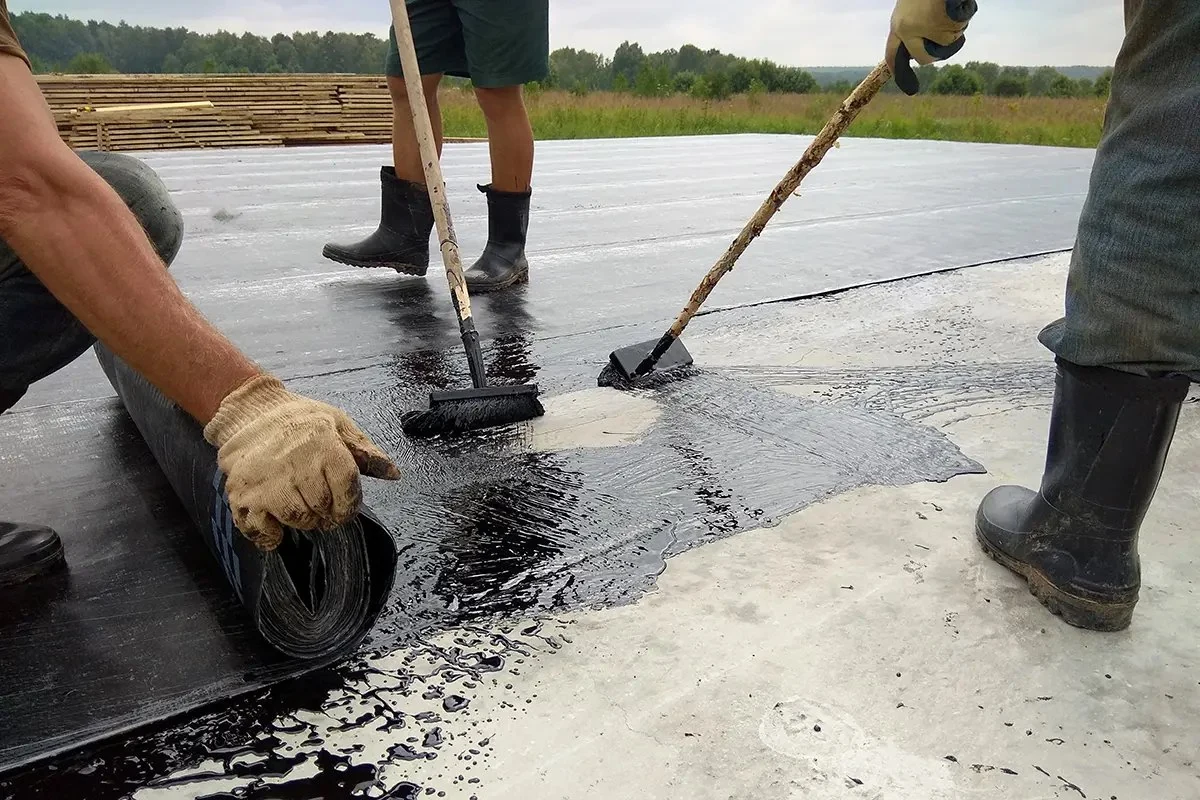
Silicone coating goes down as a liquid-applied membrane over an existing roof surface, bonding to the substrate and curing into a continuous, UV-stable layer that seals minor cracks, pinholes, and worn seam edges the existing membrane has developed over years of service. It restores waterproofing and reflectivity without removing the roof underneath it.
The coating doesn't fix structural problems, wet insulation, or a deck that's failed underneath the membrane. We probe the existing roof for moisture before quoting a recoat, because coating over a wet substrate traps the problem rather than solving it, and that inspection step decides whether recoat or tear-off is the honest recommendation.
Ponding Water Resistance in a Climate That Produces It
Silicone coating holds up to standing water better than acrylic coating, which matters on Worcester roofs where snowmelt and spring rain can sit in low spots longer than in a drier climate. A roof with a known ponding area that's degraded a membrane's surface over time is a strong candidate for silicone specifically, where an acrylic coating in the same spot would likely fail faster under repeated water exposure.
We map ponding areas during the site walk and factor coating thickness at those specific zones into the bid, since a uniform coating thickness across a roof with uneven ponding history under-protects the areas that need it most.
A Fit for Worcester's Older Institutional Roofs
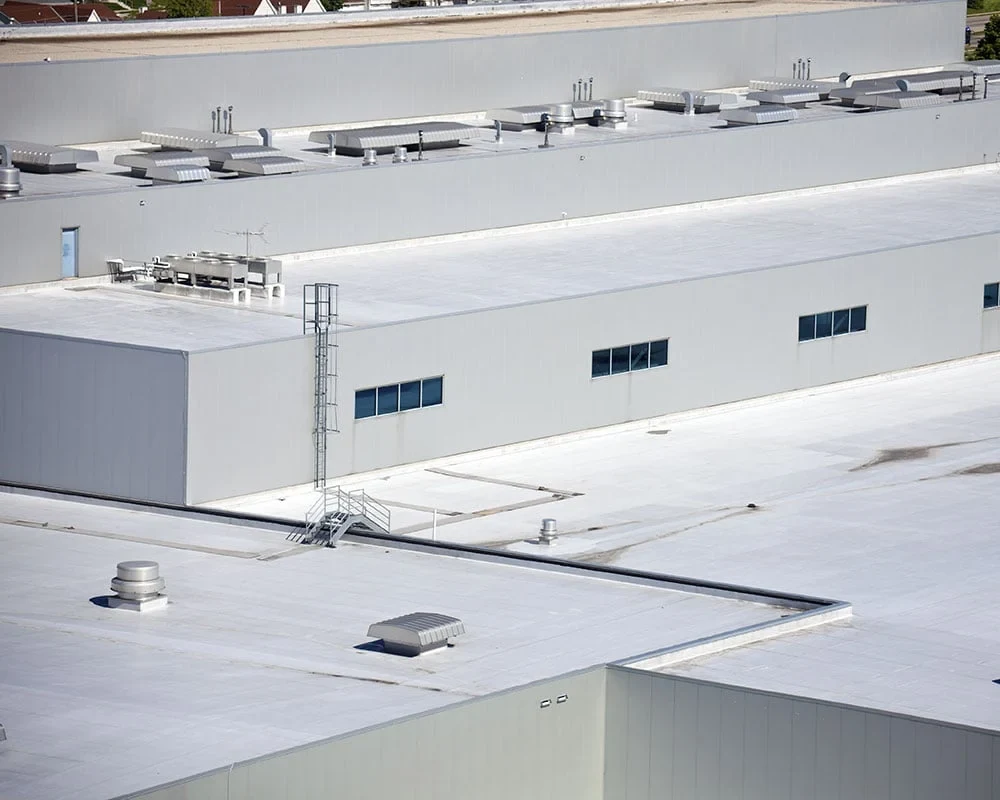
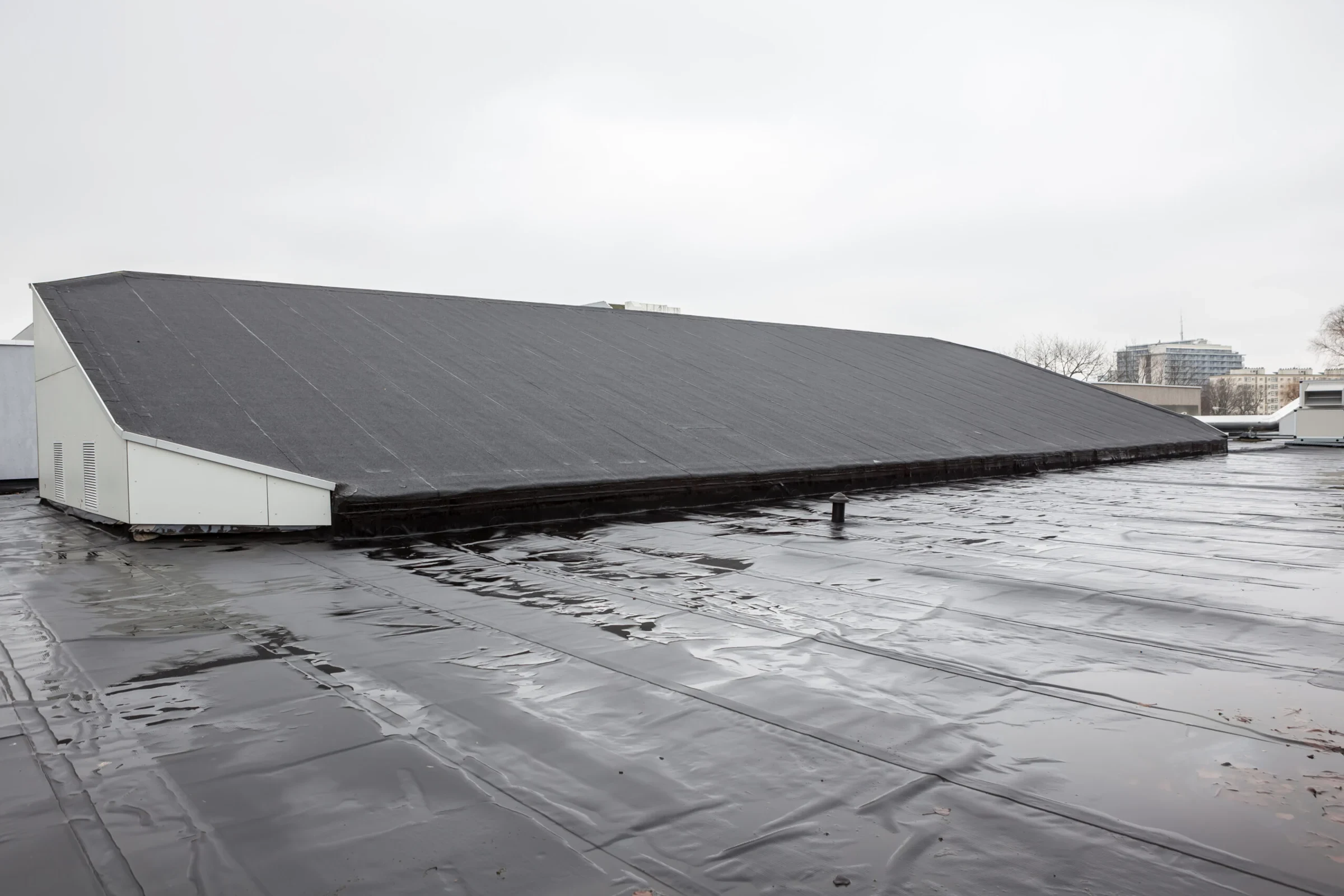
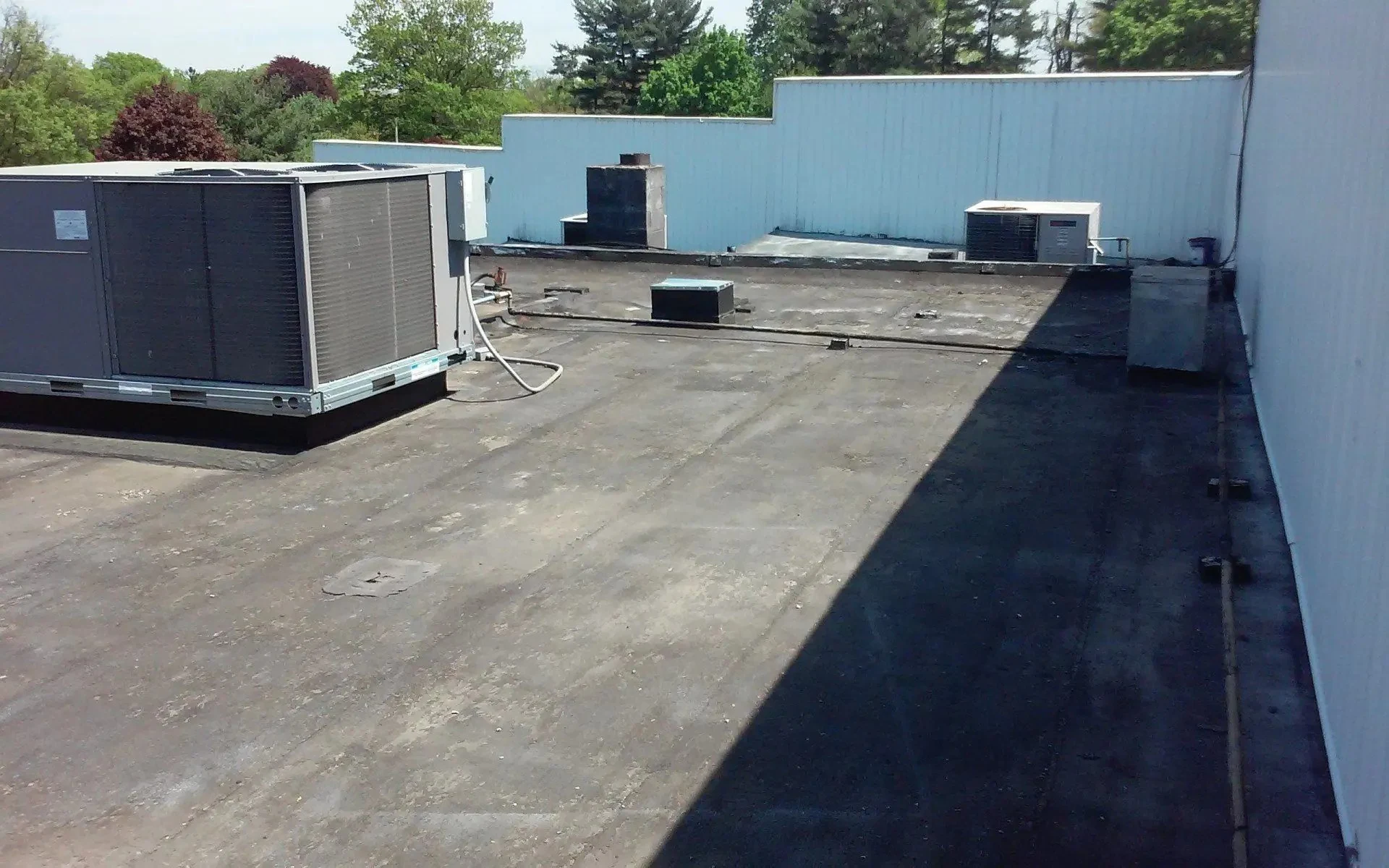
A number of the older college and civic buildings around Worcester carry roofs that were reroofed decades ago and are still structurally sound but showing surface wear, chalking, or minor membrane cracking. Recoating those roofs rather than replacing them fits a budget cycle a lot of institutional facilities departments work within, where full capital replacement competes against dozens of other building needs each year.
We inspect the existing membrane's remaining flexibility before recommending recoat over replacement. A membrane that's become brittle rather than just weathered on the surface won't hold a coating's flexibility demands through a full winter's freeze-thaw cycling, and in that case we're honest that recoat is a short-term patch, not a real fix.
- Aging TPO, EPDM, or mod-bit roofs with sound but weathered membrane
- Roofs with documented ponding areas degrading surface condition
- Institutional buildings on a tight capital-replacement budget cycle
- Roofs needing reflectivity restoration without a full tear-off
- Buildings wanting to defer a major reroof by five to ten years
Cold-Weather Application Windows
Silicone coating needs a minimum surface temperature and dry conditions to cure properly, which narrows the application window on a Worcester roof to spring through early fall in most years. Applying coating too close to the edge of that window risks a cure that doesn't fully set before overnight temperatures drop, which can compromise adhesion and the coating's eventual service life.
We schedule recoat work around that window rather than squeezing it into whatever gap happens to be open on the calendar, since a rushed application in marginal weather defeats the purpose of buying extra years of roof life.
Cost Against a Full Reroof
A silicone recoat typically costs a fraction of a full tear-off and reroof per square foot, which is the entire financial case for choosing it over replacement on a roof that still qualifies. The trade-off is a shorter renewed service life than a brand-new membrane, and we quote both options side by side so an owner can weigh the lower upfront cost of recoat against the longer runway a full reroof buys.
For a building with a defined capital planning cycle, recoat can also shift a large expense out of this year's budget into a future one, which is a real factor for institutional and municipal facilities managers even when the underlying roof physics favor eventual replacement either way.
Reflectivity Gains Beyond Waterproofing
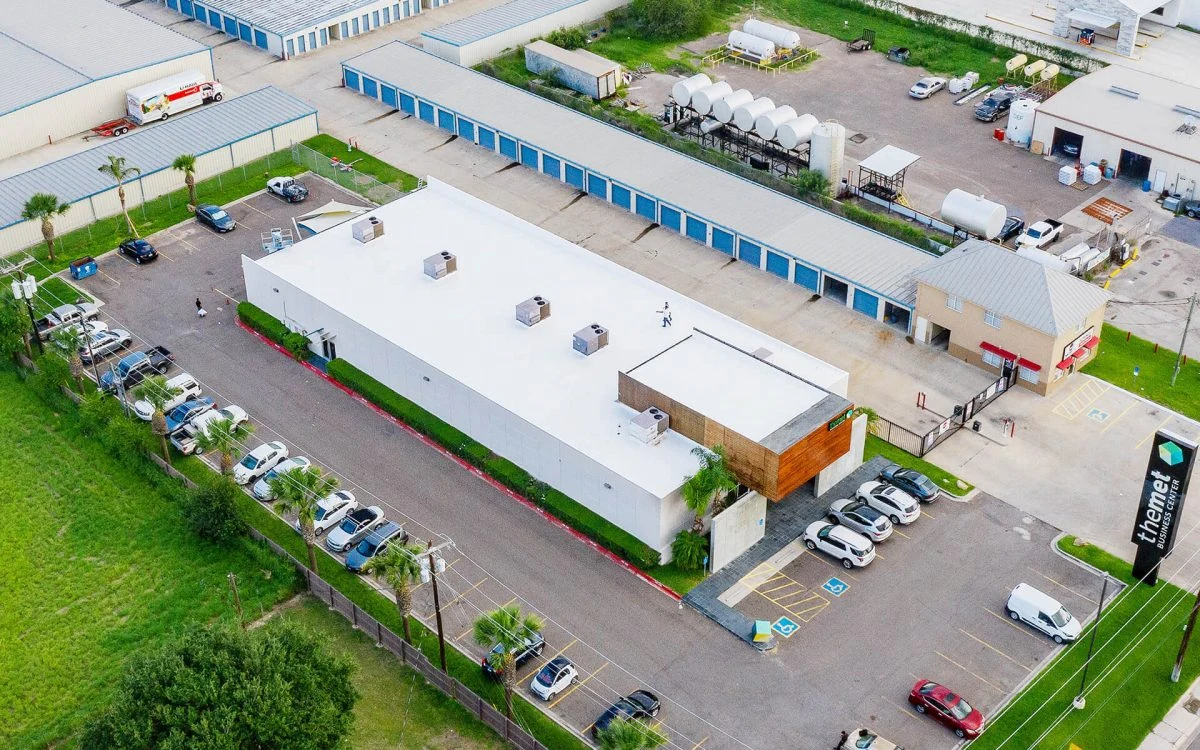
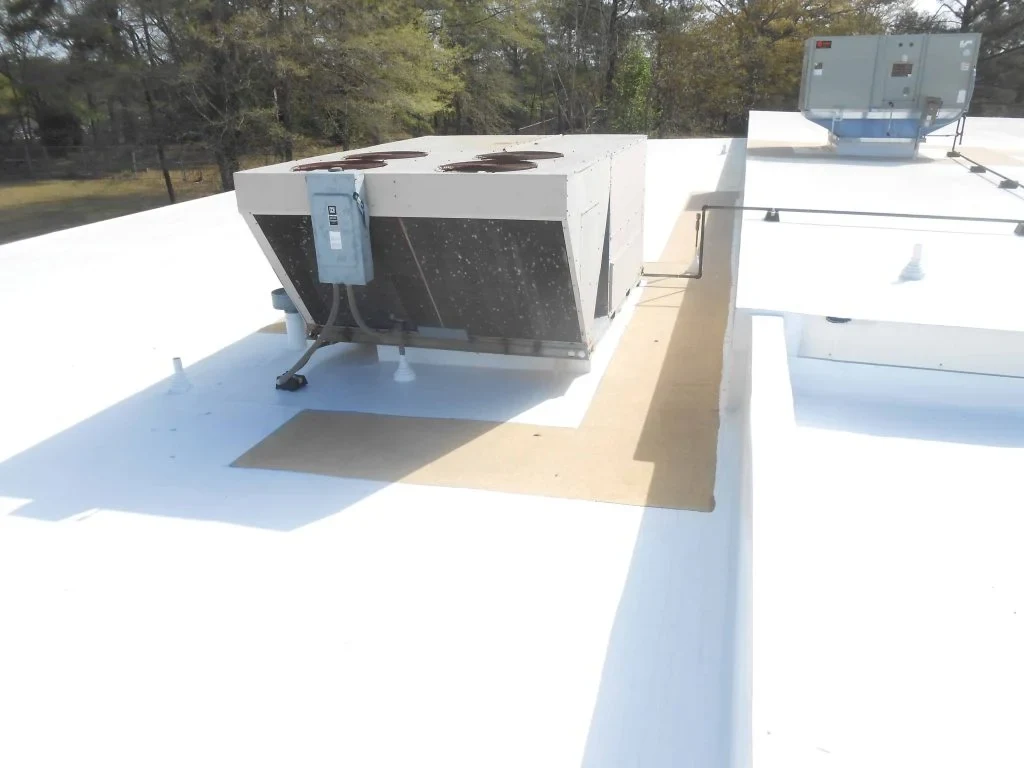
A fresh silicone coating also restores reflectivity that an aging membrane has lost to dirt, UV breakdown, and general weathering, which can measurably reduce rooftop surface temperature during summer months. On a Worcester building where a top-floor tenant has raised cooling complaints, a recoat sometimes addresses that problem at a fraction of what a full reroof would cost, even when waterproofing alone wasn't the primary concern driving the project.
We test reflectivity along with adhesion during any pre-coat inspection, since a membrane that's chalked heavily or lost significant surface integrity benefits more from a full recoat than a light maintenance-grade product, and we spec coating thickness accordingly rather than applying the same mil thickness to every roof regardless of condition.
Questions About Silicone Roof Coatings in Worcester
How long does a silicone recoat typically extend a roof's life?
On a roof that qualifies, often ten years or more, though the exact number depends on the existing membrane's condition and how well it holds up structurally underneath the new coating.
Can silicone coating be applied over a roof with ponding water?
Yes, and it performs better under standing water than acrylic coating, which is one of the main reasons we recommend it specifically for roofs with a documented ponding history.
Does recoating fix a leaking roof or just slow further damage?
It seals surface-level cracks, pinholes, and worn seams, but it won't fix wet insulation or deck damage underneath. We probe for moisture before recommending recoat over a leak-related tear-off.
What time of year can silicone coating be applied in Worcester?
Generally spring through early fall, when surface temperature and dry conditions allow the coating to cure fully before cold weather sets in.
Is a silicone recoat cheaper than a full reroof?
Considerably, per square foot, though it buys a shorter renewed service life than a full membrane replacement. We quote both so the trade-off is clear before deciding.