
A Leak Over One Storefront Rarely Stays That Tenant's Problem
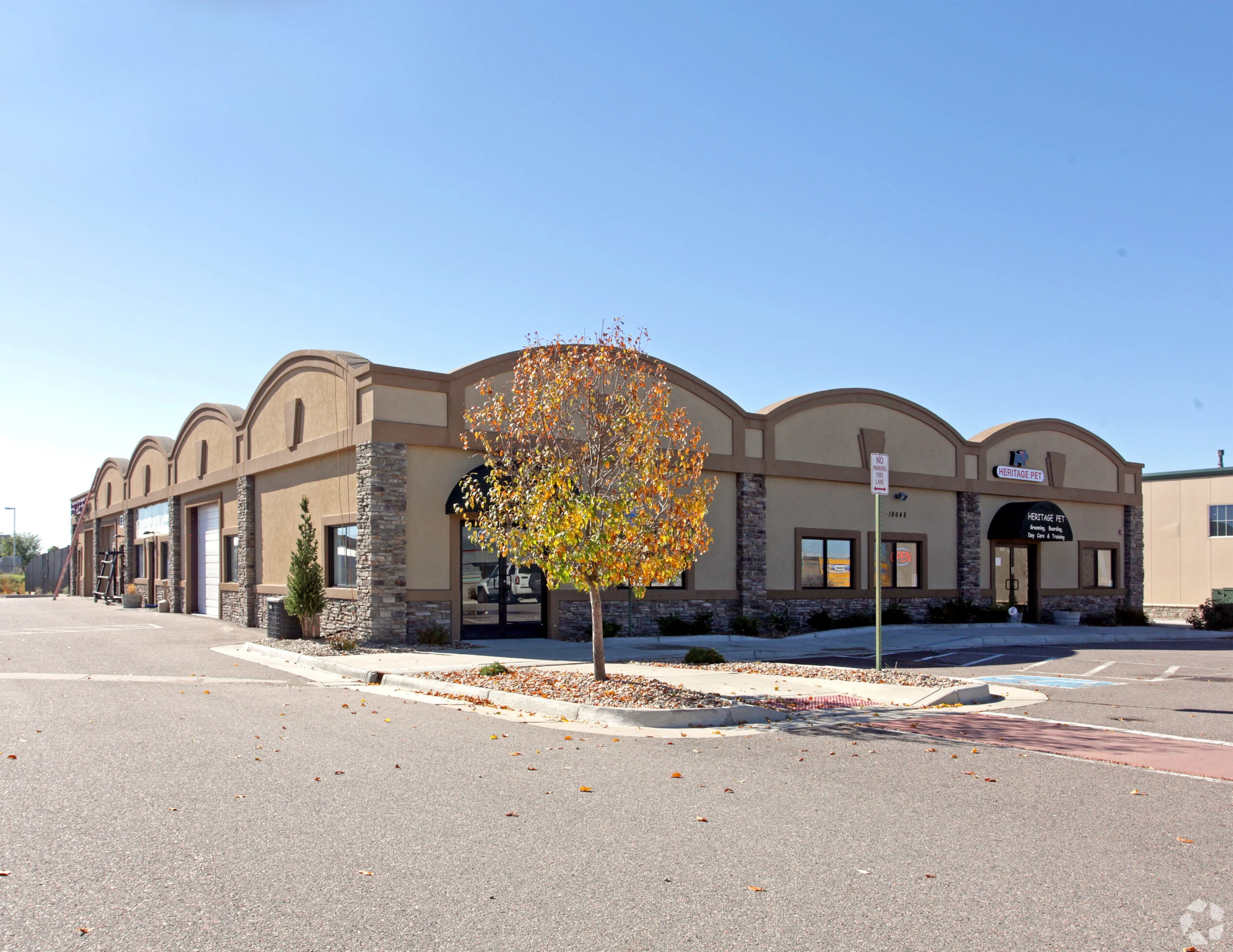
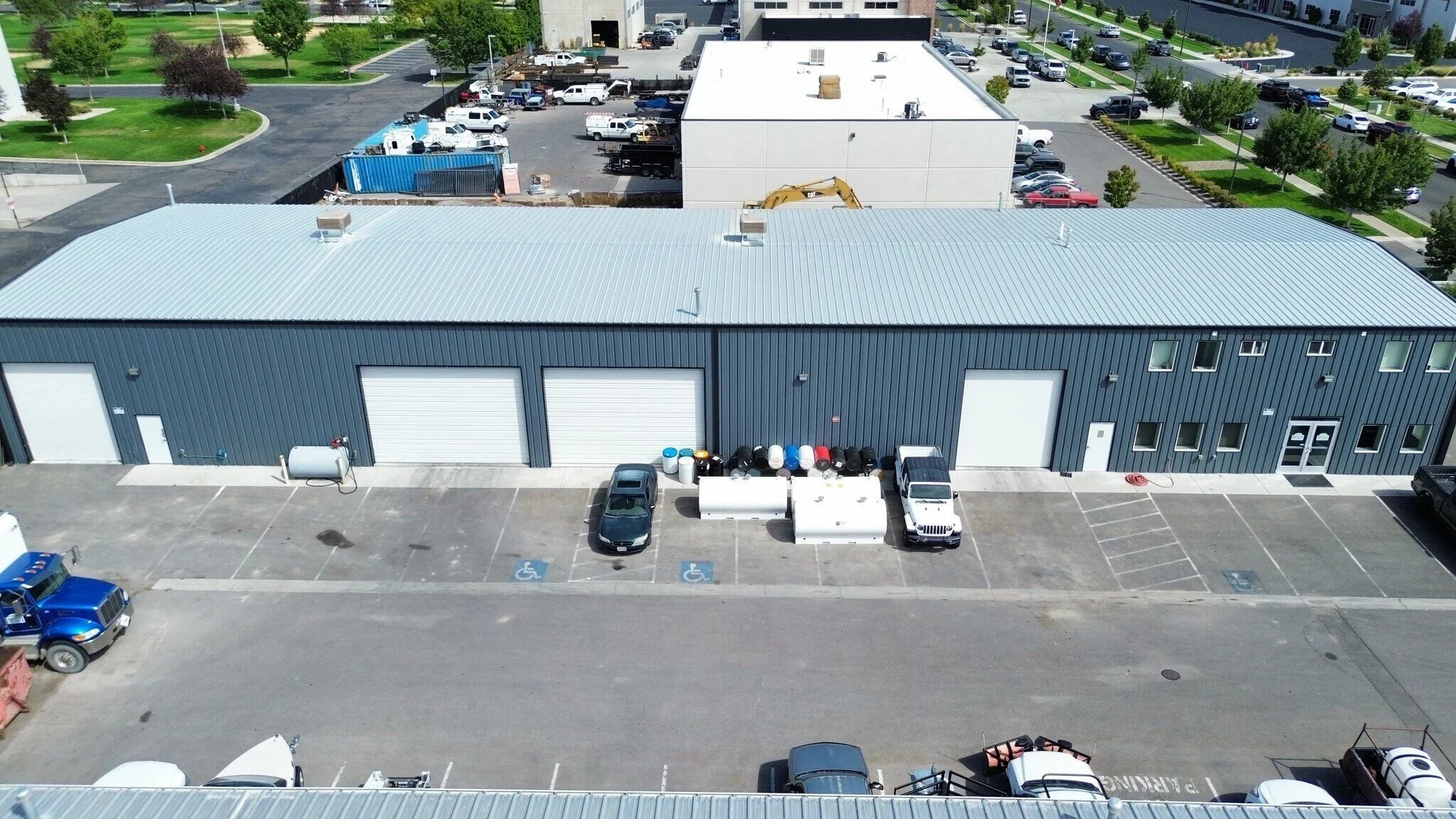
Strip retail buildings run one continuous roof deck over a row of individually leased storefronts, which means a membrane failure over a nail salon three doors down can show up as water damage in a restaurant kitchen that has nothing to do with the leak's actual source. We treat these buildings as one roof, not a row of separate ones, even when the tenant improvements underneath make each bay feel like its own building.
Tracing a Leak Across Tenant Lines
Water on a flat roof doesn't respect lease boundaries. A membrane failure or clogged drain over one unit can travel along the deck before it finds a penetration or low spot to drip through, sometimes surfacing in the unit next door instead of the one directly below the actual problem. We start any leak call with a full roof walk across the whole building rather than only the section above the tenant who called it in, because chasing the wrong bay wastes a service call and leaves the real source open.
Rooftop HVAC From Decades of Tenant Turnover
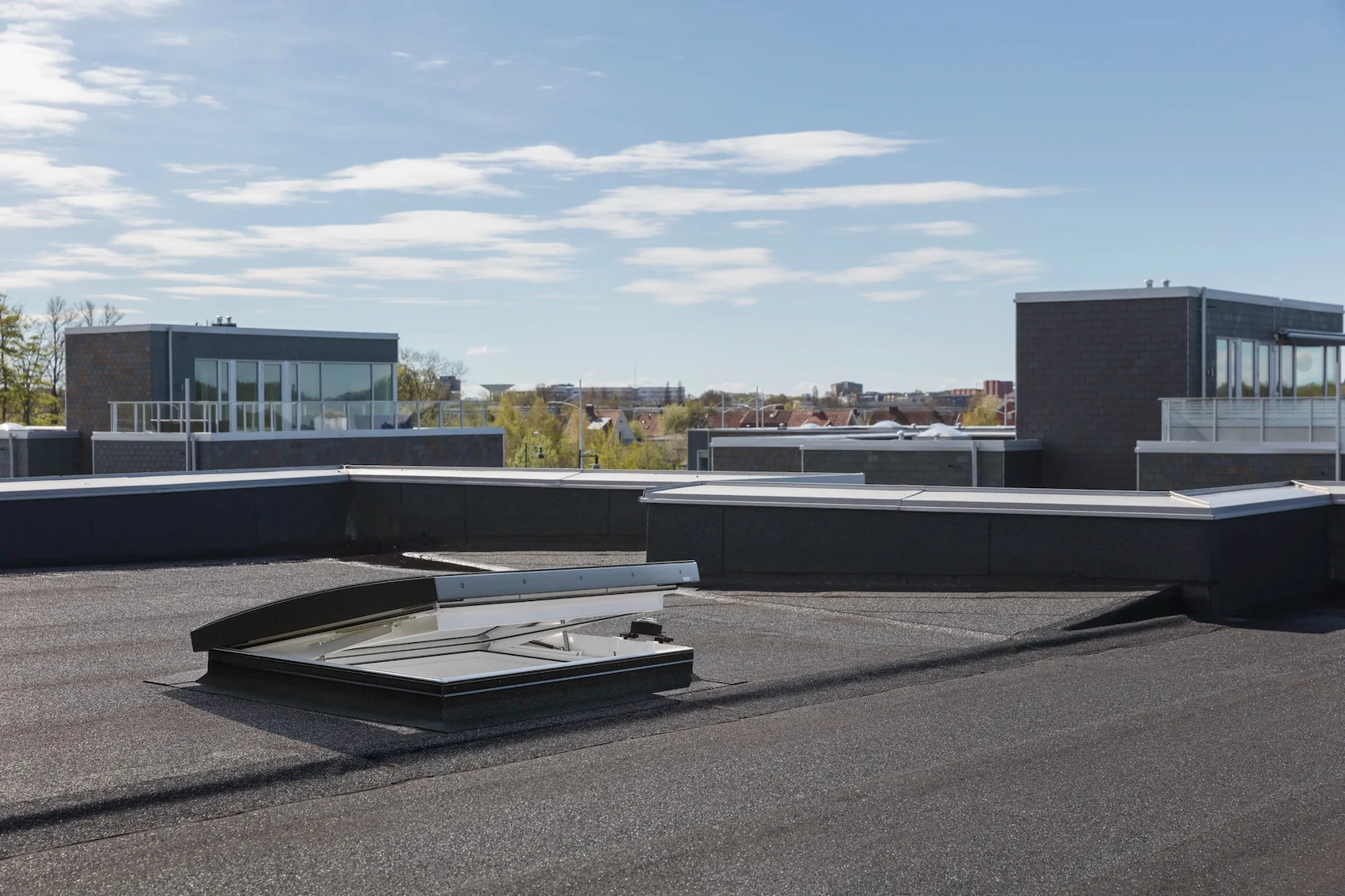
A strip plaza that's turned tenants over multiple times since it was built usually carries rooftop units from several different eras, some active and some abandoned when a tenant closed or a unit was replaced without properly capping the old curb. We inventory every curb during an inspection, separate live equipment from dead, and recommend removing or capping anything no longer connected, since an abandoned curb sitting under years of weathering is one of the more common hidden leak sources on this building type. We photograph and document every curb during the initial inspection so the property owner has a clear record of what's live versus what's leftover, which also helps when a new tenant's buildout crew needs to know what capacity already exists on the roof before requesting new penetrations.
Scheduling Repairs Around Retail Operating Hours
Retail tenants depend on foot traffic during business hours, and a crew working directly overhead during peak shopping hours creates noise and debris concerns that a warehouse job never has to consider. We schedule tear-off and loud repair work for early morning or off-hours where the property allows it, and we coordinate with individual tenants when work has to happen directly above their storefront during business hours, keeping debris containment tight near any entrance or display area. Restaurants and any tenant running exhaust hoods get particular attention during scheduling, since grease exhaust vents on the roof need to stay clear and functional throughout the project, and blocking one even briefly during service hours creates a kitchen problem that has nothing to do with the roof itself.
Snow and Ice at Rooflines Over Storefront Entrances
Retail strip buildings often have parapet or mansard-style rooflines built for street appeal that trap snow differently than a plain flat field, and ice buildup over a storefront entrance is both a leak risk and a liability concern for the property owner. We look at these architectural rooflines separately during inspection, since ice damming here tends to be a design and drainage issue at that specific detail rather than something a blanket membrane replacement across the whole roof would fix.
Coordinating With Multiple Leases on One Capital Decision
A full reroof on a strip plaza is one capital decision for the property owner but affects every tenant's business simultaneously, and some leases include roof-related maintenance clauses that shape who pays for what. We provide the property owner with a straightforward cost-per-square-foot breakdown and a section-by-section schedule they can share with tenants ahead of time, so nobody's caught off guard mid-lease by a project overhead.
- Full roof walk across the whole building on any leak call, beyond the reporting tenant's bay
- Curb inventory separating active rooftop units from abandoned ones
- Off-hour scheduling for tear-off and loud repair phases where possible
- Separate inspection of parapet and mansard-style rooflines over entrances
- Debris containment near storefront entrances during active-hours work
- Cost-per-square-foot breakdowns owners can share with tenants ahead of a project
Questions Retail Property Owners Ask
Why did a leak show up in a store that isn't near any visible roof damage?
Water travels along the deck before finding a low point to drip through, so the visible damage location and the actual source are often in different bays. We walk the full roof to trace it correctly.
What should we do about old rooftop units left by former tenants?
We recommend removing or properly capping any curb no longer connected to active equipment, since abandoned units are one of the more common hidden leak sources on strip buildings.
Can repairs happen without closing stores during the day?
Where the schedule allows, we do loud or disruptive work early morning or off-hours, and we coordinate directly with individual tenants when work has to happen above their storefront during business hours.
Why does ice keep building up over our main entrance?
Parapet and mansard-style rooflines common on retail storefronts trap snow differently than a flat field, and that's usually a specific drainage or design issue at that detail, not a general membrane problem.
How should a reroof project be communicated to our tenants?
We give owners a section-by-section schedule and cost breakdown early enough to share with tenants before work starts, so no lease holder is surprised by activity overhead mid-project. That same schedule also flags which bays see extended debris staging nearby, which matters most to any tenant relying on curb-visible signage or window displays during the work.